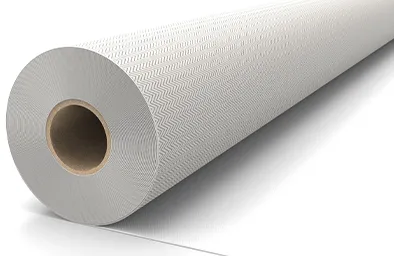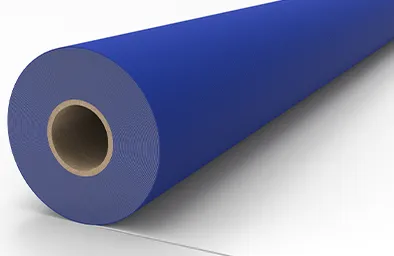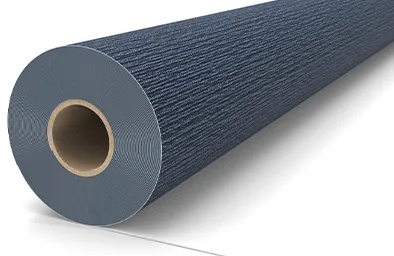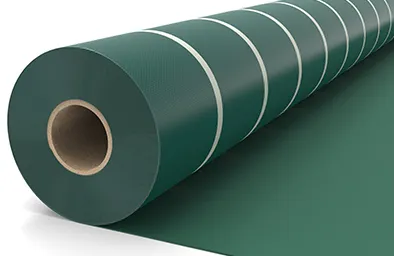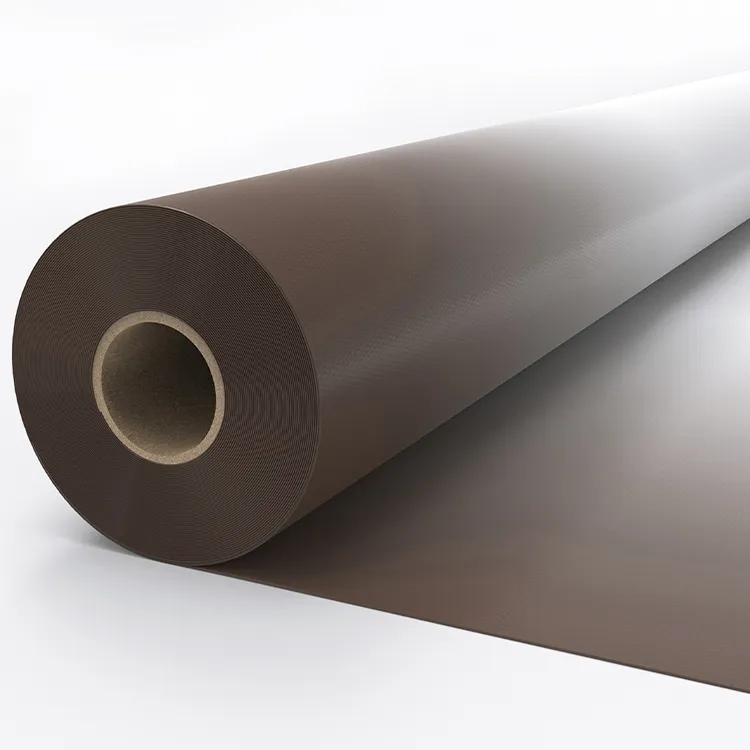








Custom RV Awning Fabric for OEM, Dealer and Replacement Programs
Custom RV awning fabric usually becomes risky when the visible choice is approved but the hidden build details are left open. A buyer may confirm a color, logo or size, then later discover that the bead, rail fit, valance depth, coating feel, roll width or packing rule was never locked into the production record.
LonaTarp can review custom awning fabric requests from old samples, drawings, size lists, artwork files or dealer program notes. If you are still comparing the wider fabric family first, start with our RV awning fabric options, then use this page to define the custom details before sampling.
Custom RV Awning Replacement Fabric Starts With the Old Sample or Drawing
Custom RV awning replacement fabric should begin with the part of the old awning that carries real construction information. A photo can show the color, but a sample edge can show bead position, coating feel, folding memory, underside color, rail fit and whether the old fabric was welded, sewn or left with a raw edge.
When the old fabric is not available, send a drawing with finished width, projection, valance depth, roller or rail notes, expected tolerance and the number of sizes in the program. This lets us separate a simple color change from a true custom construction request.
Custom Size RV Awning Fabric Depends on Bead, Rail and Valance Details
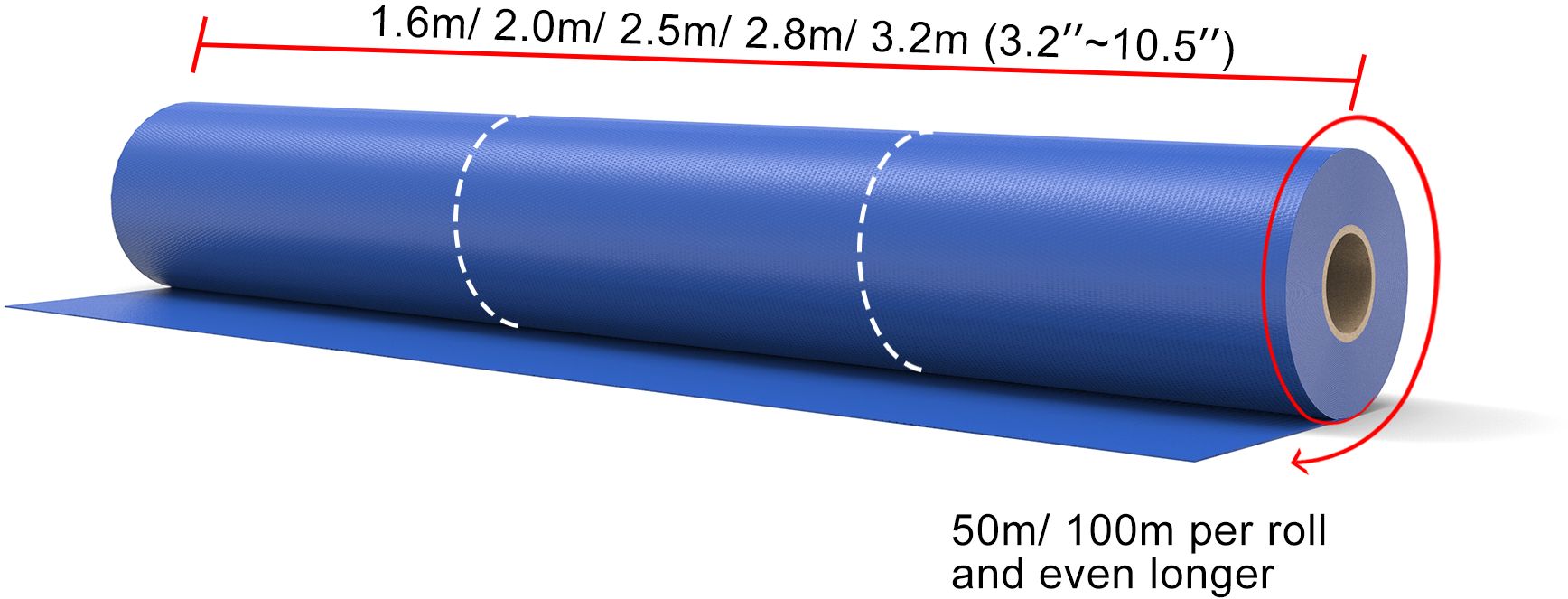
Custom size RV awning fabric is not only a length and width question. The usable size depends on where the bead sits, how much fabric is needed for the valance, which edge will be welded or sewn, and whether the buyer wants roll material, cut panels or finished replacement fabric.
For dealer programs, we recommend grouping the size list before sampling. If the same fabric will serve several awning widths, the sample should represent the largest stress points: edge construction, folding behavior, fabric direction and how the panel will look after repeated rolling.
Custom Printed RV Awning Fabric Needs Artwork, Surface and Folding Checks
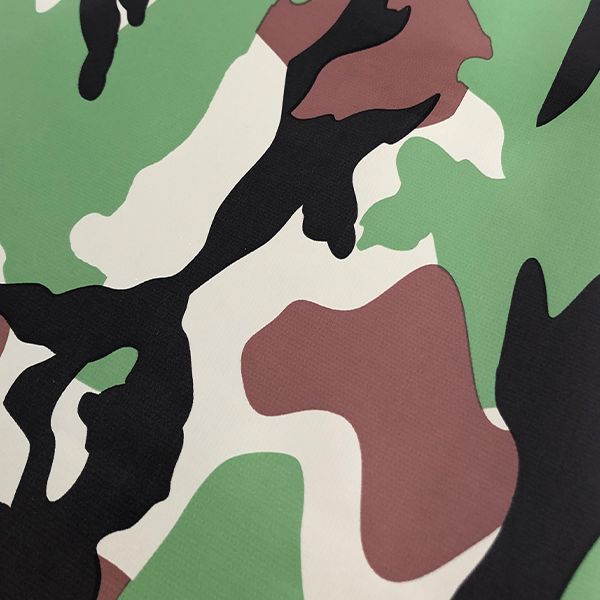
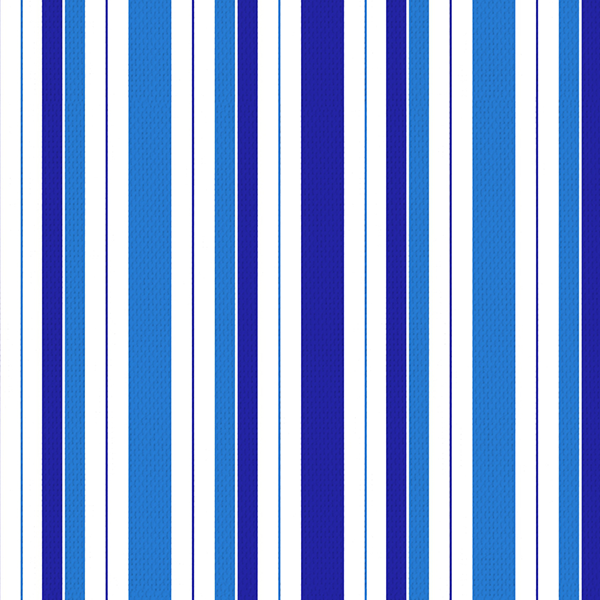
Custom printed RV awning fabric can include a logo, brand mark, front valance text or a printed pattern, but printing should be approved with the material surface and folding direction together. Ink adhesion, surface treatment, color contrast and whether the printed area will be folded or rubbed all affect the sample decision.
If the print is used for a dealer or rental fleet, send the artwork size, color file, print position, visible side, expected cleaning method and packing rule. A print sample is especially useful when the logo sits near a welded edge or when the awning will be rolled tightly after fabrication.
PVC or Vinyl Surface Should Be Defined Before the Custom Sample
Many buyers describe the same awning surface as PVC, vinyl or coated polyester. For a custom order, the wording should be translated into a working specification: base fabric, coating weight, surface gloss, flexibility, UV or mildew requirement, cold-flex direction and whether the fabric will be welded, sewn or printed.
This is where a custom page should stay narrow. We do not need to repeat every PVC material detail here. Buyers who need a deeper material check can compare PVC RV awning fabric before confirming the custom sample.
A Custom Awning Fabric Record Should Protect the Next Order
The first sample should not only solve the first order. It should create a repeatable record for the next order. Keep the approved sample, size list, edge drawing, color target, print file, surface note, batch label rule, packing photo and any test-document requirement together.
This matters when the buyer adds another RV size, changes the logo, or reorders after several months. Without a record, the next production discussion may restart from memory instead of from the approved sample. Our quality control process can support sample-to-bulk review when the buyer needs documented checks.
| Custom decision | Buyer should define | Factory check before sample | Why it matters for repeat orders |
|---|---|---|---|
| Old sample or drawing | Edge section, visible surface, underside and size notes | Whether the request is color-only, size-only or construction-related | Prevents the next order from relying on unclear photos |
| Size family | Smallest/largest size, projection and quantity mix | Roll width, edge route and panel handling | Keeps later size additions from changing the whole specification |
| Bead and rail fit | Bead position, diameter or rail requirement if known | Edge build, welding/sewing route and tolerance | Reduces fit problems after fabrication |
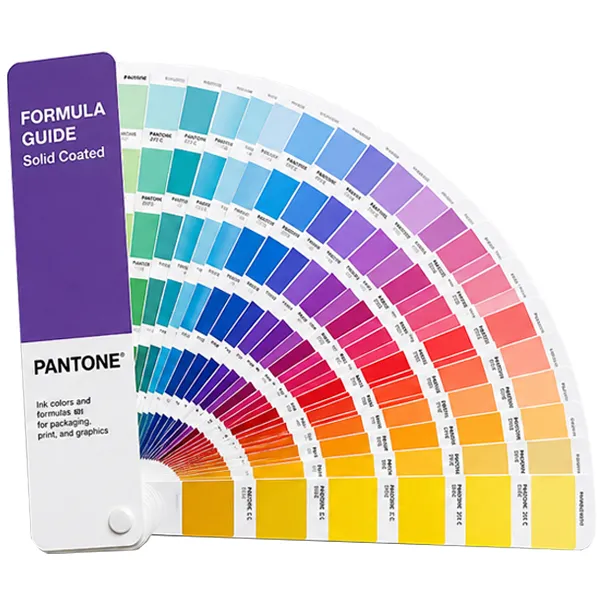
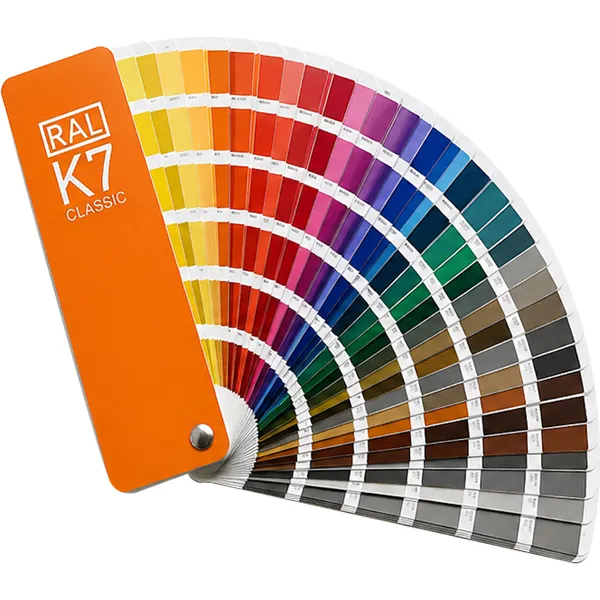
| Color or print | Reference sample, artwork, valance text and visible side | Pigment/print behavior, surface gloss and folding impact | Keeps dealer programs visually consistent |
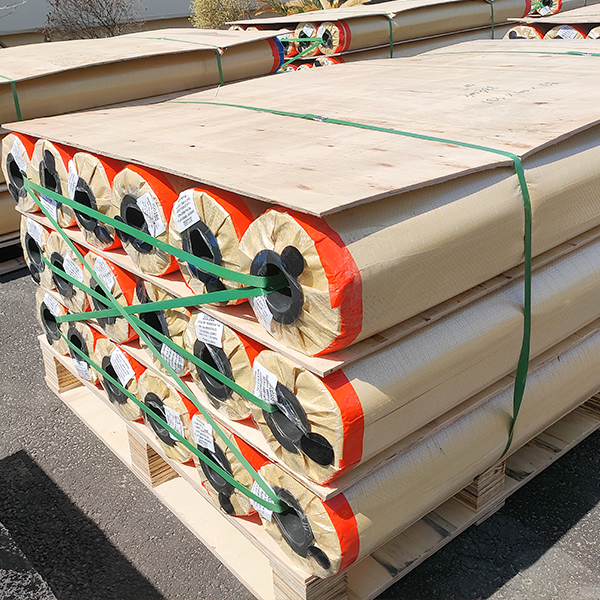
| Supply format | Roll material, cut panels or finished replacement fabric | Packing, batch separation and local conversion needs | Avoids quoting the wrong production route |
| Reorder control | Label rule, packing photo and approved sample storage | Sample-to-bulk comparison and batch notes | Makes repeat orders easier to verify |