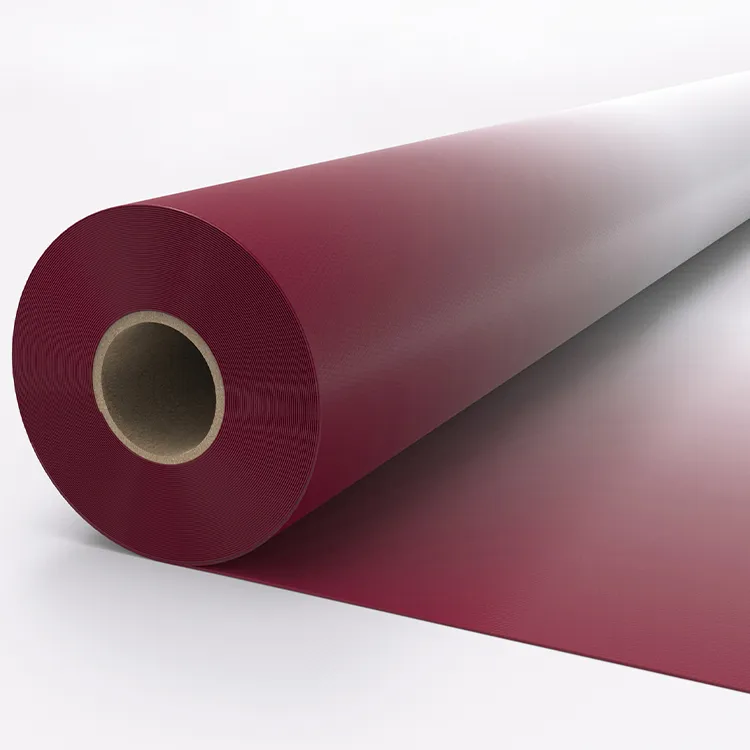
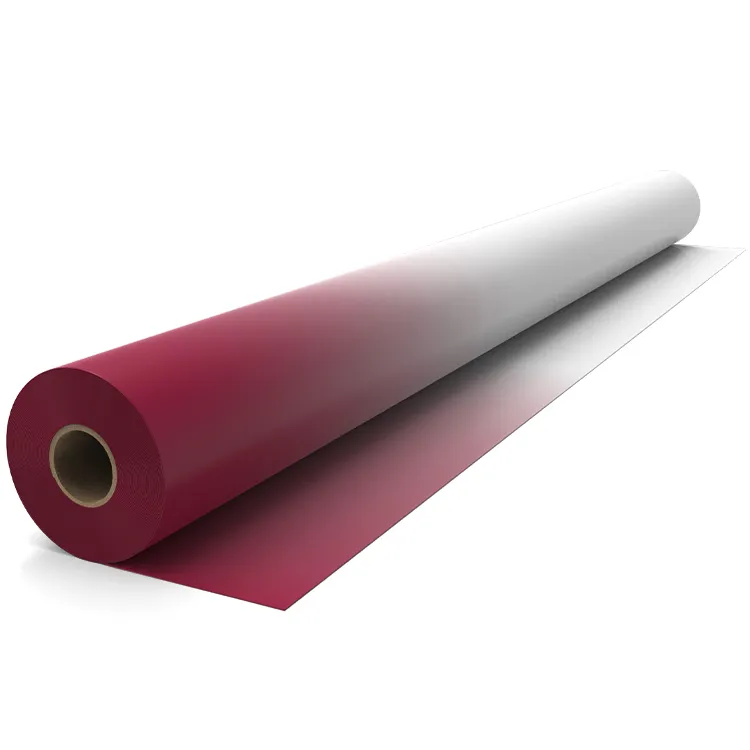











PVC RV Awning Fabric for Replacement Panels and Roll Supply
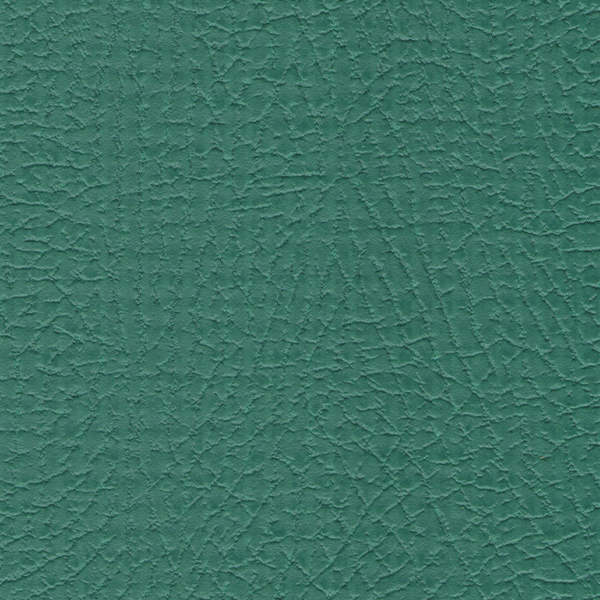
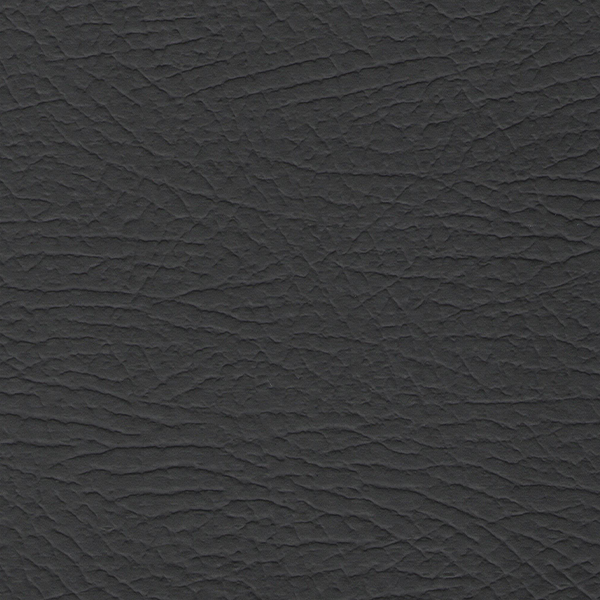
PVC RV awning fabric is worth checking when a buyer needs a waterproof, weldable and flexible awning surface for replacement panels or local fabrication. The important point is not the PVC name alone. A useful specification should confirm the polyester base fabric, PVC coating feel, roll width, color target, edge construction and whether the fabric will be hot-air welded, high-frequency welded or sewn.
LonaTarp can discuss PVC coated awning fabric for B2B orders, including roll material, cut panels or finished replacement fabric. Send the old fabric sample, target width, bead or rail detail, valance plan, color requirement, exposure condition and order quantity before quotation.
RV Awning Material Should Be Chosen by Coating and Base Fabric
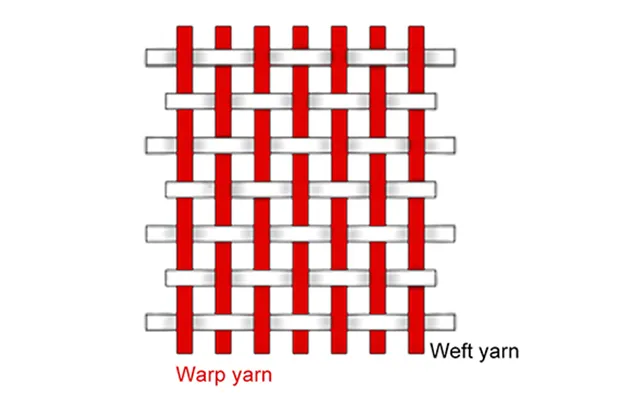
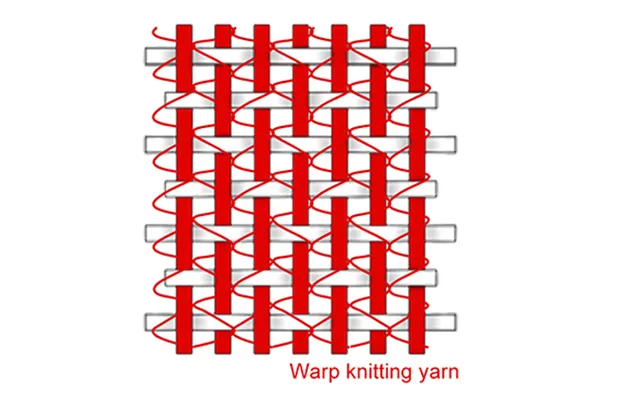
RV awning material should not be selected by PVC wording or GSM alone. The polyester base fabric affects tear behavior, dimensional stability and edge stress. The PVC coating affects surface feel, water resistance, flexibility, weldability, color and outdoor weathering.
For awning fabric, we usually check how the material will roll, fold, weld and sit inside the rail. A heavier fabric may not be better if it becomes too stiff for the roller or if the edge construction does not match the awning system.
Vinyl RV Awning Fabric and PVC RV Awning Fabric Often Need the Same Structure Check
Some buyers request vinyl RV awning fabric even when the production discussion is really about PVC coated polyester. PVC RV awning fabric describes the coating material more directly, but both names still need a construction check before sampling.
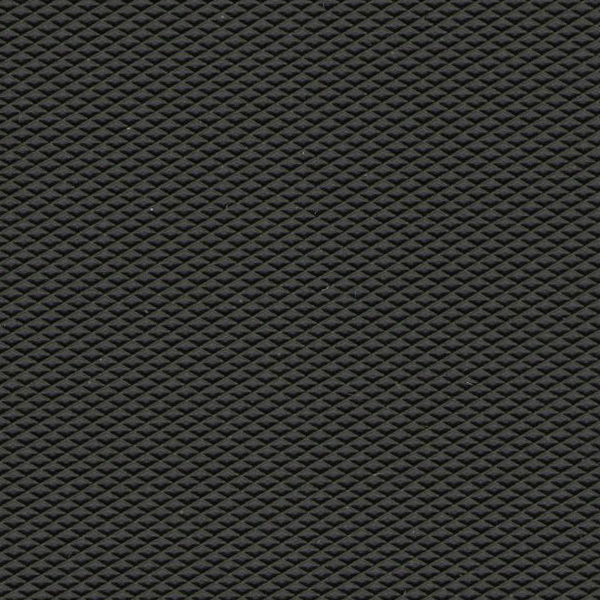
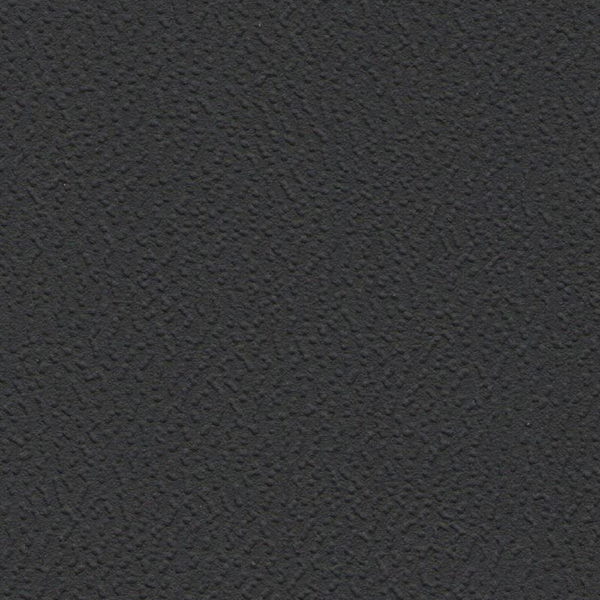
Before sampling, confirm the coating type, surface finish, flexibility, weight range, underside color, welding or sewing route and whether the buyer needs roll goods or finished panels.
RV Awning Fabric Roll Orders Need Width, Direction and Edge Planning
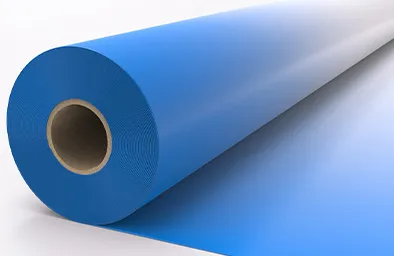
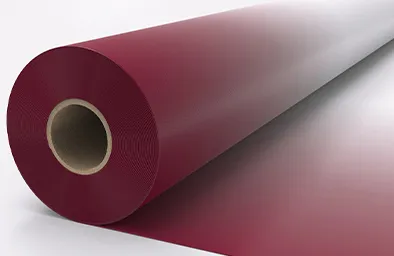
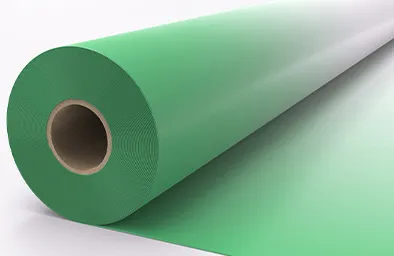
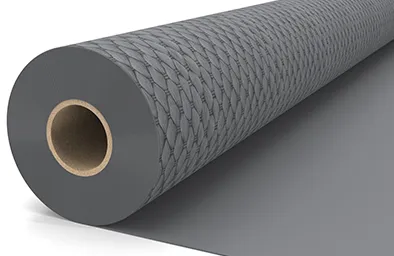
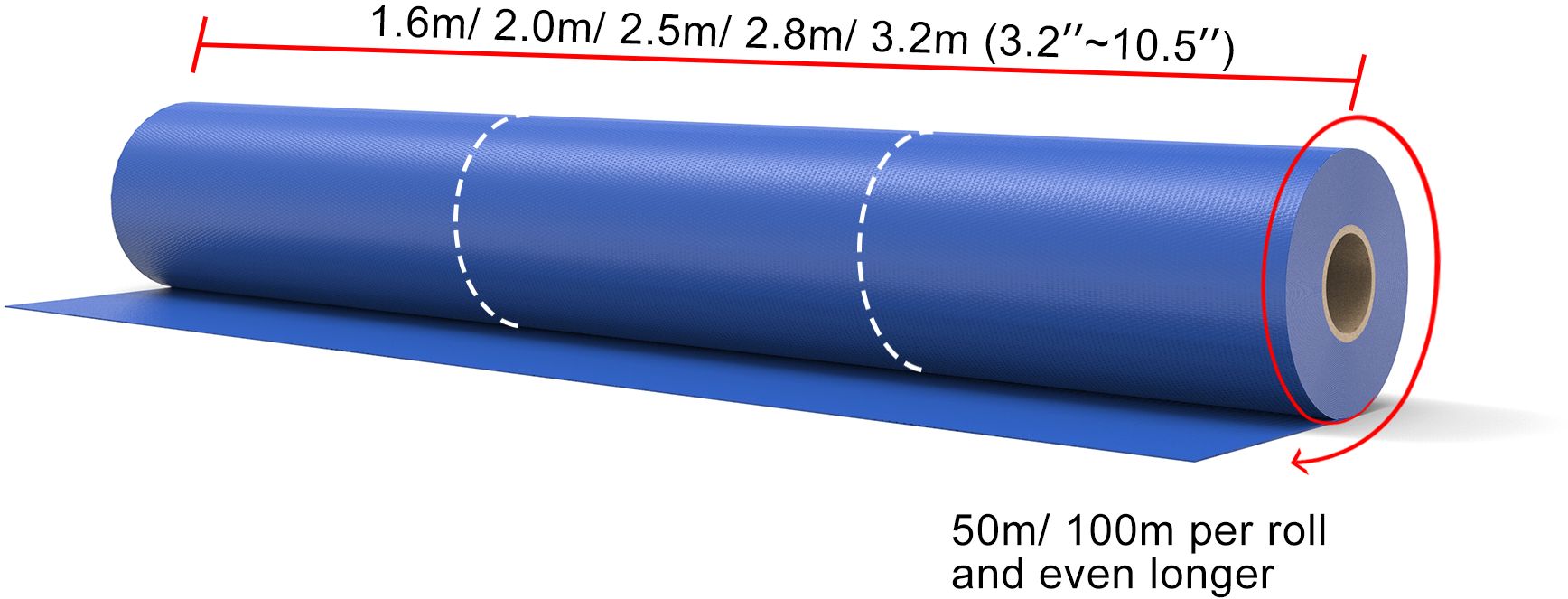
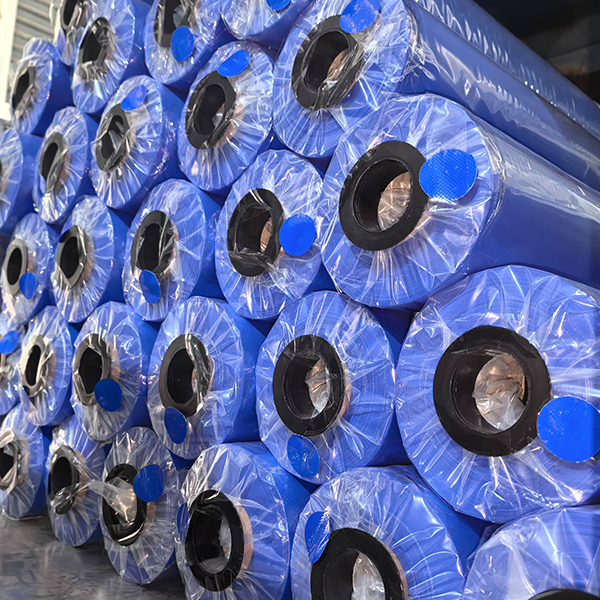
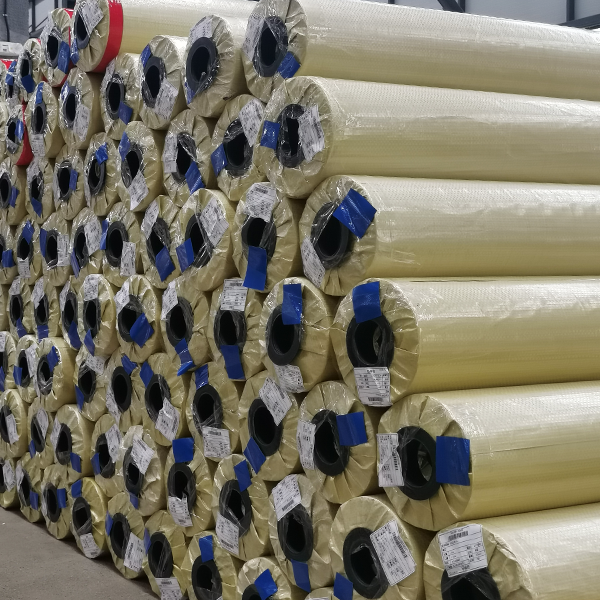
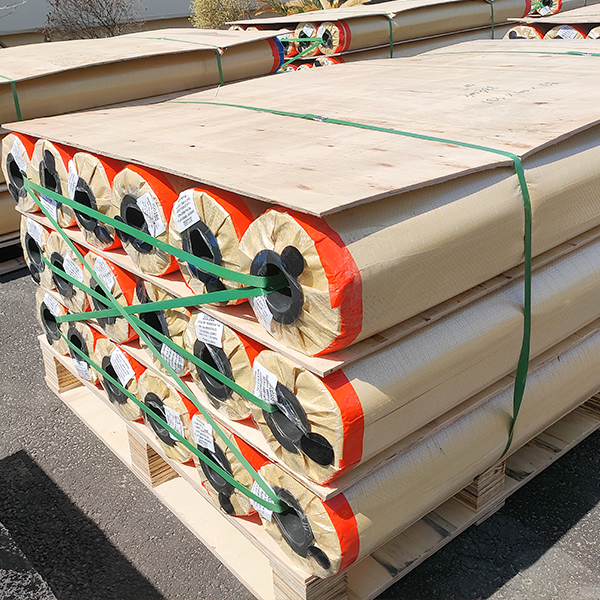
RV awning fabric roll supply is useful for workshops and distributors that cut or weld panels locally. For roll orders, the buyer should confirm roll width, roll length, color batch, surface direction, packing method and cutting plan.
If the same PVC fabric will also be supplied as finished replacement panels, the roll specification should be checked together with bead size, rail fit, valance depth and edge welding. This avoids approving a roll sample that later fails at the finished-panel stage.
Specification Points to Confirm Before Sampling
| Detail to confirm | Why it matters |
|---|---|
| Base fabric | Affects tear behavior, edge stress and dimensional stability. |
| PVC coating | Affects hand feel, weldability, color, water resistance and outdoor behavior. |
| Roll width | Affects cutting loss, seams and finished panel planning. |
| Welding or sewing route | The sample should match the intended fabrication method. |
| Bead, rail and valance | These details decide whether replacement fabric can fit the awning system. |
| UV and weather exposure | Requirements should be tied to sample, formulation or test method, not a fixed outdoor-life promise. |
PVC coating formulas can include plasticizers, stabilizers, pigments and functional additives. These choices affect flexibility, UV resistance, color stability and welding performance. For that reason, LonaTarp recommends confirming a sample before bulk production, especially when the order will be exposed outdoors or repeated across several sizes.