TPU waterproof coating can form a continuous barrier against liquid water, but the coating name alone does not prove that a finished product is waterproof. Water can still enter through pinholes, cut edges, sewn areas, poorly matched seams, valves, zippers, or damage created during fabrication. A useful specification therefore identifies what must resist water, under which conditions, and how the material or finished assembly will be tested.
For product engineers and material buyers, this distinction matters before sampling. A coated swatch, a welded panel, a flexible bag, and an inflatable chamber do not carry the same waterproof claim—even when they use the same polymer family.
Here, the term means a TPU layer or film bonded or laminated to a textile. It does not mean a brush-on or spray coating applied to a 3D-printed TPU part. That distinction keeps the discussion focused on industrial coated fabrics, conversion, and finished-product verification.
Waterproof Performance Starts With the Layer, Not the Label
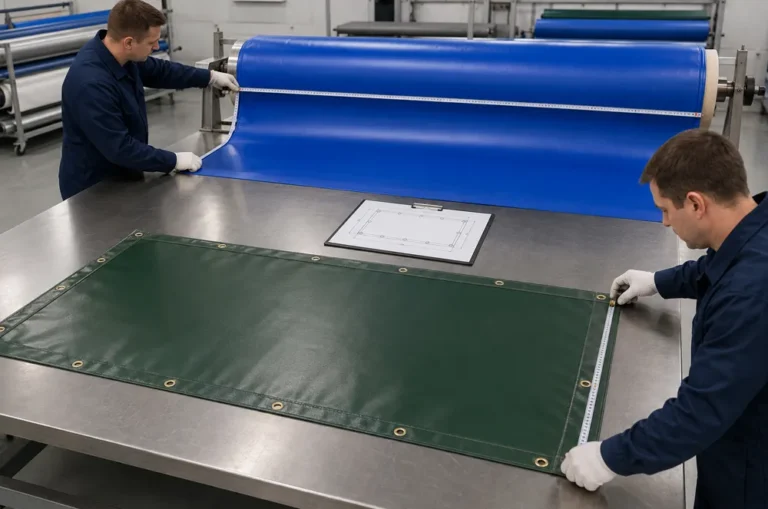
A TPU-coated textile combines a reinforcement fabric with a thermoplastic polyurethane layer or film. The textile carries much of the mechanical load; the TPU component can provide the water barrier and a surface that may be suitable for thermal joining. The actual construction can vary, so buyers should not infer the base textile, coating route, layer thickness, or joining behavior from the term “TPU” alone.
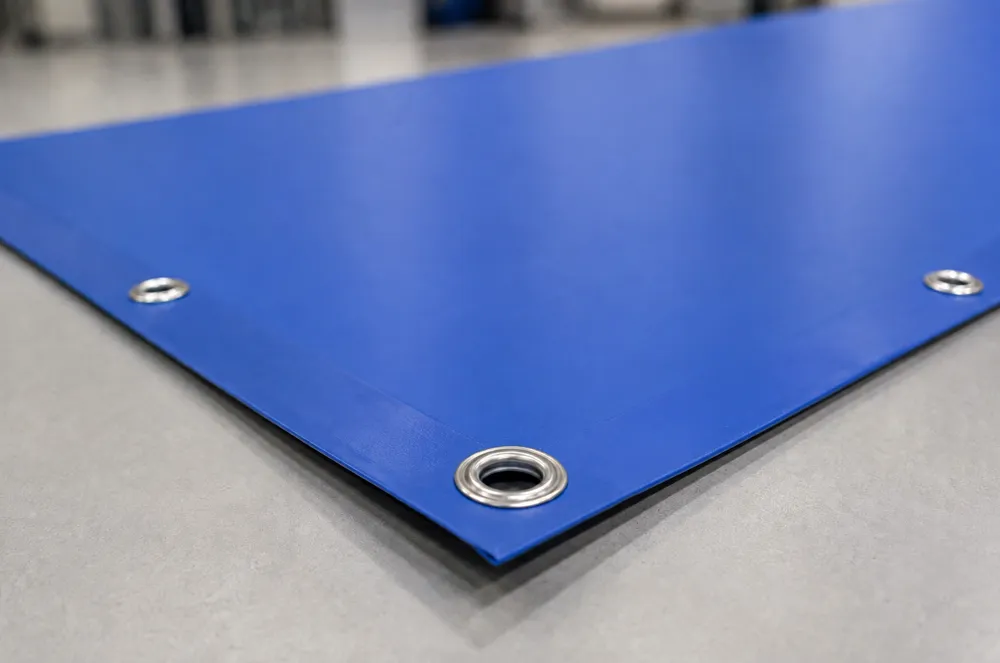
For the panel itself to resist penetration, the functional layer needs to remain continuous. Thin spots, pores, incomplete coverage, local contamination, poor bonding, abrasion, sharp folds, and heat damage can interrupt that continuity. Some defects are visible under inspection; others appear only when the sample is exposed to pressure, flexing, or repeated handling.
TPU films are used in waterproof textile applications, but even a resin and film manufacturer such as Covestro tells users to test suitability for their own processing and intended use. That is the right procurement principle: treat the polymer as a material direction, then verify the chosen construction.
Four Waterproof Claims That Should Not Be Treated as Equal
The word “waterproof” is often used for four different engineering questions. Mixing them is one reason samples and production teams reach different conclusions.
| Claim | What it describes | What it does not prove | Useful evidence |
|---|---|---|---|
| Water-resistant surface | The surface delays wetting or light water entry under limited exposure | Performance under standing water or pressure | Agreed spray, exposure, or penetration check |
| Waterproof material panel | Water does not pass through an undamaged material area under defined conditions | Seams, edges, openings, or the complete product | Material sample tested with stated pressure, duration, and conditioning |
| Liquid-tight assembly | The fabricated product controls liquid leakage through panels and connections | Gas retention or performance at a different pressure | Finished-sample leak test including joints and fittings |
| Airtight chamber | The assembly limits gas loss under a defined pressure and time | Automatic approval for water, chemicals, food, or medical use | Pressure-decay or other agreed chamber test |
A supplier statement about the main panel should not be copied into an assembly specification without qualification. If the project requires a liquid-tight liner or an airtight inflatable, the acceptance method must include the seam geometry, fittings, and production process—not only a flat fabric coupon.
Fabrication Can Break a Barrier That Passed as a Flat Sample
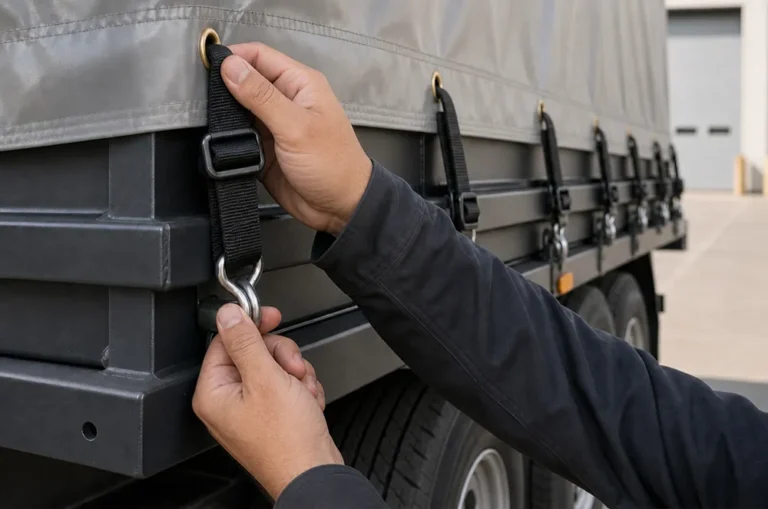
A roll sample may pass a water-penetration check and still fail after conversion. Cutting exposes edges. Sewing introduces holes. Welding changes local heat, pressure, thickness, and stress. Hardware creates interfaces between different materials. Folding and abrasion can damage a thin area that looked acceptable when the roll was new.
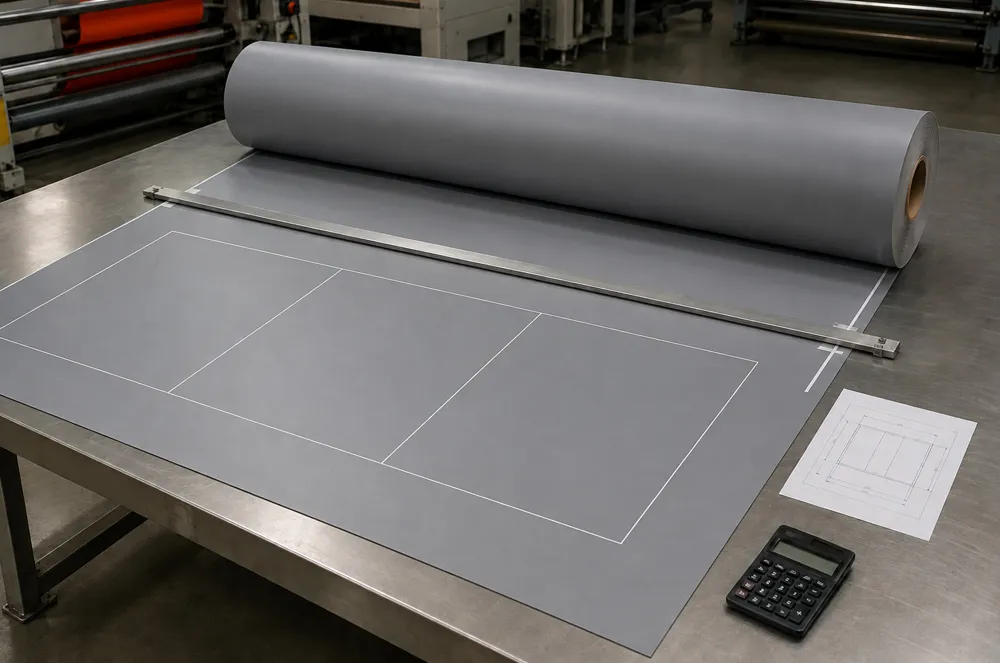
This does not mean TPU-coated textiles are unreliable. It means the test object must match the claim. If the final product will be welded, folded, fitted with a valve, or repeatedly handled, the approval sample should contain those features. Testing only the easiest flat area gives evidence for the easiest flat area.
Detailed diagnosis of weak welds belongs to the separate seam-failure process. At the material-selection stage, the important step is simpler: confirm that the selected surface, joining method, overlap design, and accessory materials can be trialed together before bulk release.
Heat sealing, hot-air welding, and high-frequency welding should not be treated as interchangeable approvals. A TPU construction may respond differently to each process, and the usable temperature, pressure, dwell time, overlap, and seam result depend on the selected layer, base textile, and equipment. Approve the intended joining process on a representative sample rather than assuming that a general “weldable” description covers every method.
Turn “Waterproof” Into a Testable Requirement
If a drawing or inquiry simply says
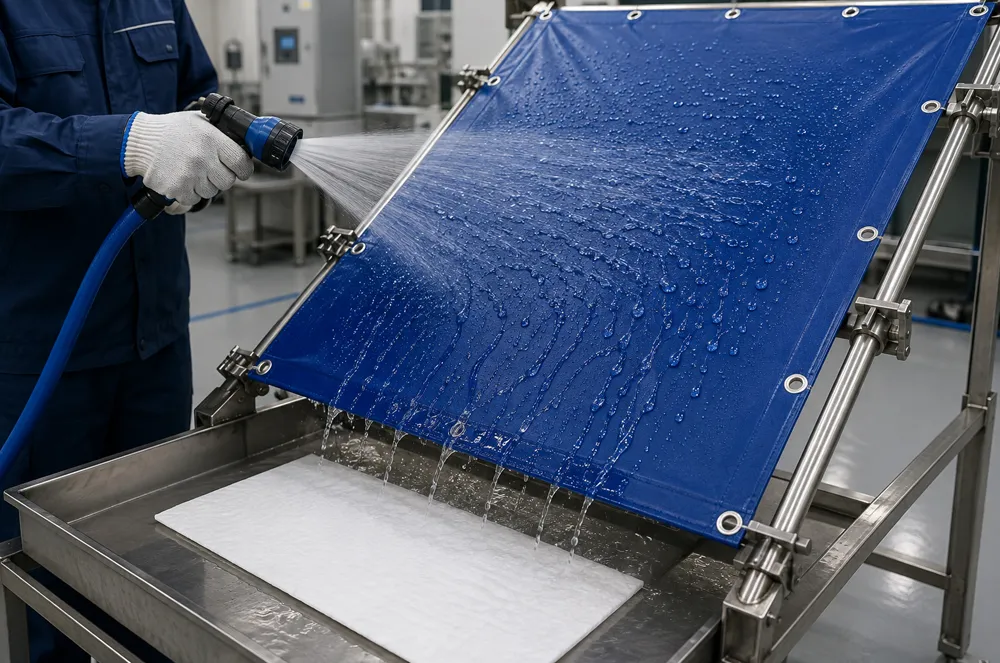
“TPU coating waterproof,” treat that phrase as a starting point, not a finished specification. Product teams can make it actionable through five decisions:
- Define the exposure. Is the product facing rain, splash, temporary immersion, standing liquid, internal liquid pressure, or gas pressure? Include temperature, contact time, folding, and abrasion where relevant.
- Define the test object. Decide whether approval applies to the material panel, a welded coupon, a representative component, or the complete finished product.
- Agree on the method and pass condition. Record pressure or exposure, duration, conditioning, sample orientation, acceptable leakage, and inspection timing. Use the customer’s required standard when one applies.
- Include production geometry. A trial should represent the difficult edge, seam intersection, opening, fitting, or fold—not only a straight panel.
- Keep the approved reference. Record the material construction, production route, sample result, and acceptance criteria so a repeat order is judged against the same agreed basis.
This sequence prevents a common dispute: one party means “the coating resists water,” while the other expects “the complete product will never leak.” Those are different commitments and require different evidence.
Waterproof Performance Must Survive the Product’s Real Conditioning
An initial pass result answers only one question: the sample met that test in its current condition. It does not show how the barrier behaves after the product has been folded, abraded, stored wet, exposed to temperature changes, or cycled in use. The relevant conditioning depends on the finished product, so adding every possible test is neither efficient nor technically meaningful.
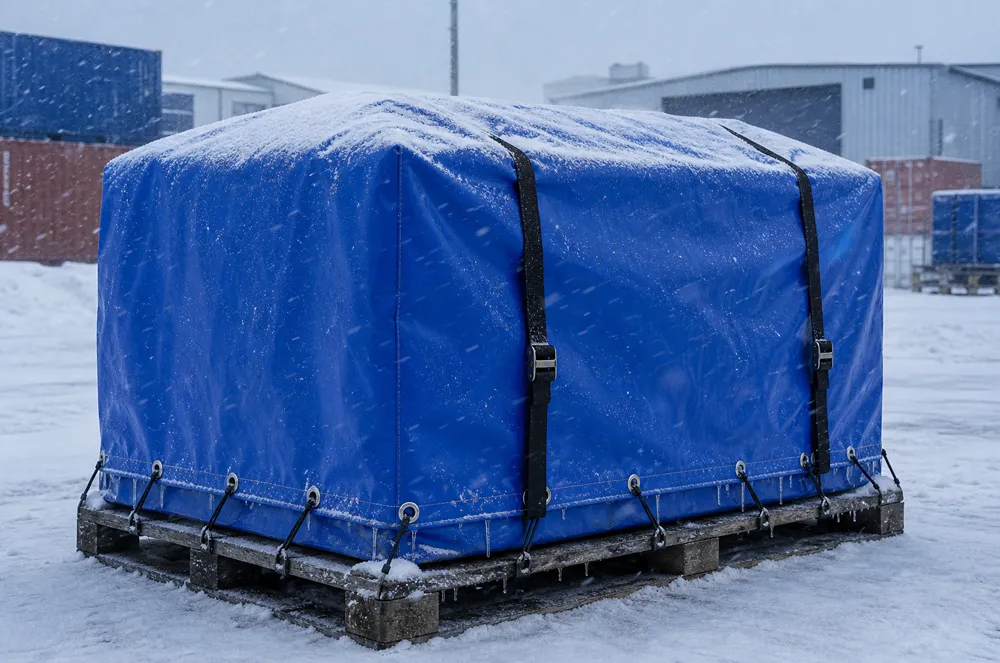
Choose conditioning from the failure risk. A foldable bag may need repeated flexing before the water check. A protective panel may need abrasion at contact zones. A flexible container may need the representative seam and fitting to be held under its intended liquid or pressure condition. A product used in a wet environment may require review of the selected TPU chemistry and bond after the agreed water exposure.
For products used in cold storage, winter transport, or low-temperature outdoor service, include a relevant low-temperature flex, fold, impact, or conditioned seam check before repeating the water or leak test. Room-temperature waterproof results do not establish cold-service performance; the required condition and pass criteria must be agreed for the actual construction.
After conditioning, inspect both the result and the failure location. Water through the middle of a panel points to a different problem from leakage beside a seam, lifting at the coating-to-textile interface, or damage around an opening. This distinction helps the supplier decide whether to review material continuity, bonding, product geometry, fabrication, or handling. It also prevents a buyer from rejecting an entire polymer family when the evidence points to one local design or process issue.
For repeat orders, keep the conditioning sequence and inspection timing with the approved specification. “Same material” is not a useful comparison when one sample was tested new and another was tested after folding, heat processing, or prolonged exposure.
Choose the Material Route After You Define the Finished Product
TPU-coated or laminated textiles can be considered for dry bags,
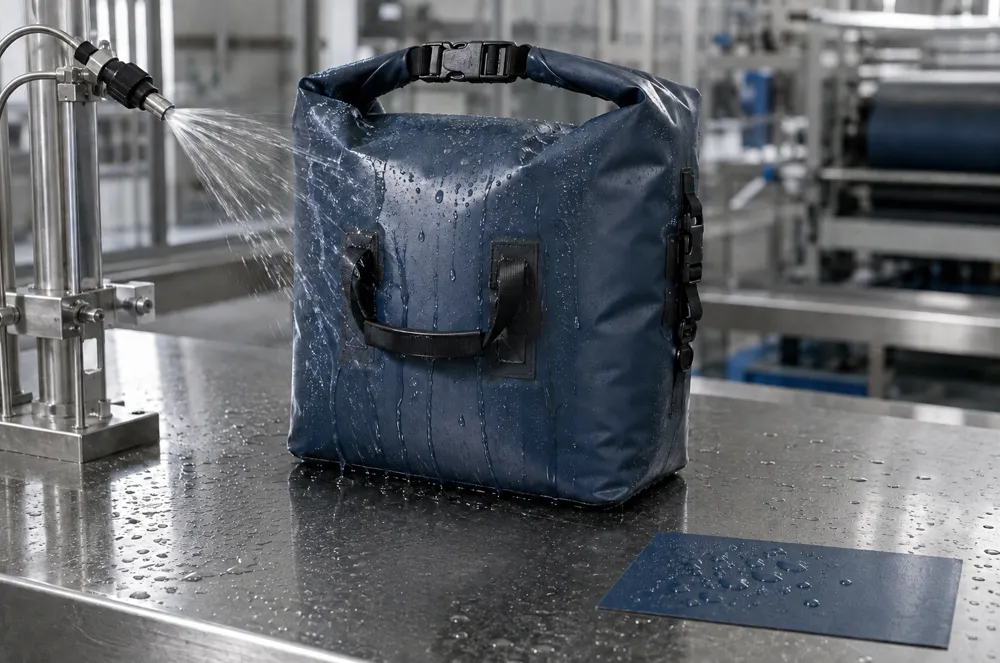
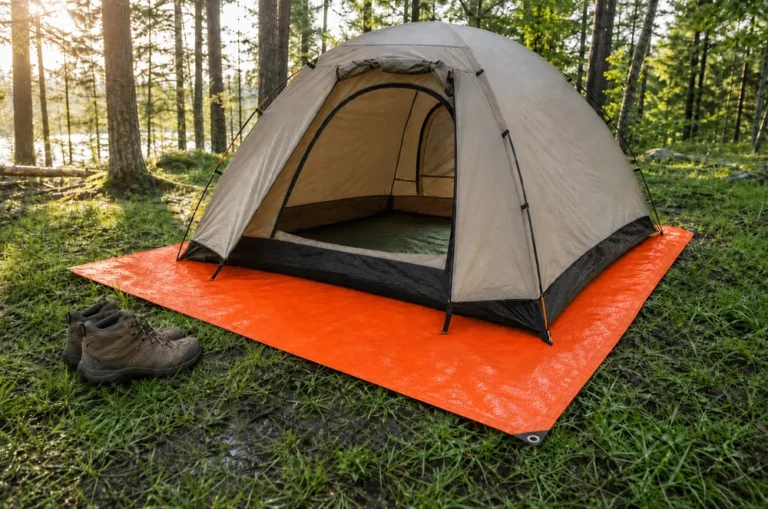
flexible containers, inflatable components, protective equipment, outdoor products, and other applications that need a flexible water barrier. The correct route still depends on the base textile, layer arrangement, desired hand, joining process, exposure, and finished-product test.
If your immediate question is how to specify a water-barrier roll, review the TPU waterproof fabric options after defining the exposure and acceptance method. If you are comparing coating structures and fabrication needs, continue with the TPU coated fabric material page. These commercial pages handle material selection; this article handles the waterproof claim behind that selection.
LonaTarp works with made-to-order B2B material programs rather than retail pieces. Our standard material MOQ is 5,000 square meters per confirmed construction. Before a bulk order, a representative sample can be reviewed against the agreed structure, processing route, and test requirement. Typical production is about 15 days after specifications are confirmed, subject to the actual project and order.
Questions Buyers Still Ask About TPU Waterproof Coating
These five questions become useful only when the answer is tied to a defined product and test condition. Each answer should lead to a material, assembly, or sample-approval decision rather than another general waterproof claim.
Is TPU coating 100% waterproof?
Do not approve that statement without conditions. An intact TPU layer can provide a waterproof barrier, but the result depends on construction continuity, exposure, fabrication, and the test used. The finished product also includes seams, edges, openings, and fittings that need their own verification.
What are the disadvantages of a TPU waterproof construction?
TPU material routes can cost more than common PVC alternatives, and their processing window, surface compatibility, long-term water exposure, abrasion, fold history, and repair method need project-specific review. The practical disadvantage is not one universal weakness; it is the cost and risk of choosing a structure without matching it to the product and conversion process.
How do you make a TPU-coated product waterproof?
Begin with a continuous, suitable material structure, then design and validate the seams, edges, openings, fittings, and production process as one system. Use a representative finished sample and an agreed test condition before releasing the bulk specification.
How long does TPU coating last?
There is no universal service-life number for a TPU coating. Durability depends on the TPU chemistry, layer thickness, base textile, bond, fabrication, fold and abrasion history, temperature, water exposure, UV exposure, cleaning, and the finished-product design. Define the expected environment, condition a representative sample for the relevant risks, and agree on acceptance criteria instead of converting one laboratory result into a guaranteed number of years.
Is TPU waterproof safe?
Waterproof performance is not a safety or compliance certificate. Suitability depends on the exact TPU formulation, additives, textile, adhesive, printing or surface treatment, intended contact, and target-market requirements. For food contact, medical, skin-contact, children’s products, or chemical exposure, request documents and testing that apply to the confirmed construction; do not infer compliance from the word “TPU” or from a waterproof result.
Discuss the Test Before You Discuss the Quote
For a useful material review, send the finished-product use, expected water or pressure exposure, base-textile preference if known, joining method, difficult seams or openings, test requirement, quantity, and target market. Our production team can then discuss whether a TPU material route and sample plan fit the project.
Need to verify a TPU water-barrier construction? Send the application, fabrication method, test condition, and estimated material quantity for a sample and specification review.