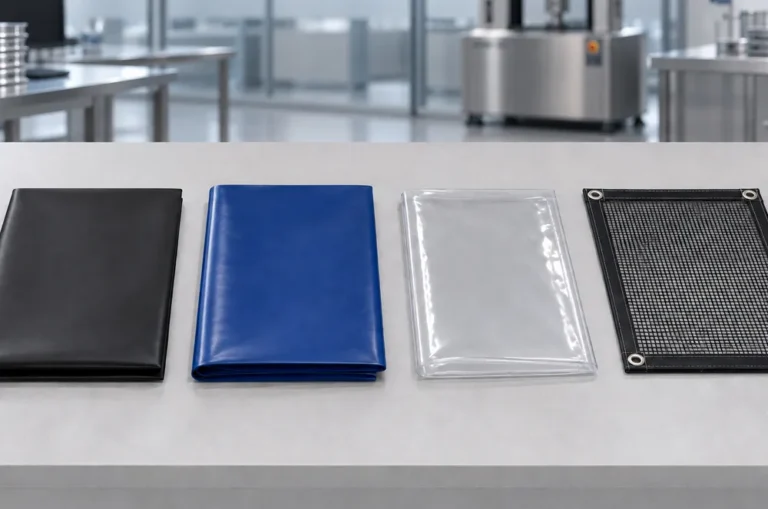
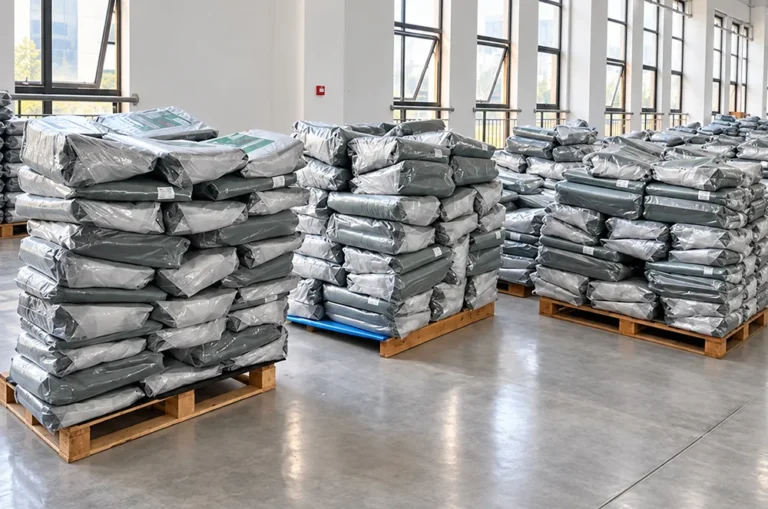
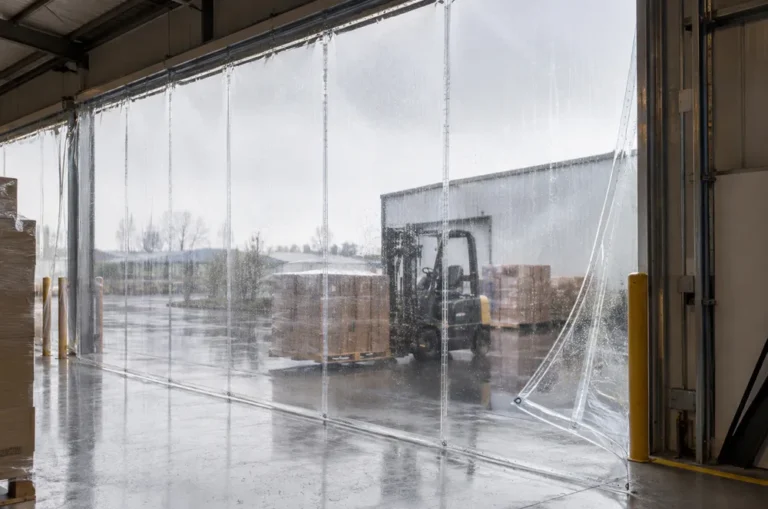
Is TPU fabric breathable? Sometimes—but TPU alone does not determine the answer. A solid TPU barrier can stop bulk airflow, while a specially formulated TPU film may still transfer water vapor. An open textile or mesh can allow air through, but that is a different mechanism and may not provide a waterproof barrier. Buyers should therefore define what “breathable” means, review the complete laminate or coated-fabric structure, and compare test results produced under the same method and conditions.
For a manufacturing project, a yes/no label is not enough. The useful question is whether the selected construction manages air, moisture vapor and liquid water in the way the finished product requires.
I. “Breathable” Can Describe Two Different Material Behaviors
In textile discussions, “breathable” is used for two properties that should not be treated as interchangeable.
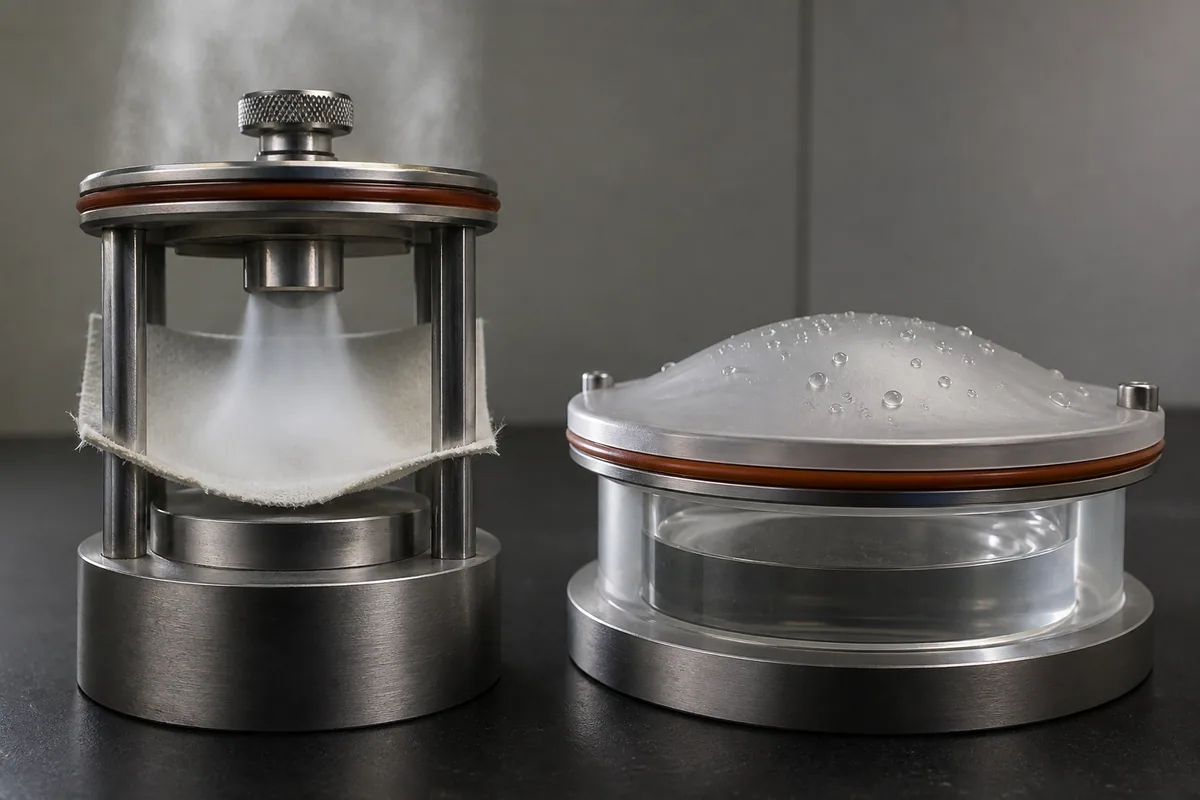
Air permeability means that air passes through a fabric under a defined pressure difference. Open mesh, pores or discontinuities can create that path. ISO 9237 describes a method for measuring air permeability in fabrics, including industrial textiles.
Water-vapor transmission means that moisture vapor moves through a film or composite, even when bulk airflow is low. Certain hydrophilic TPU film grades are engineered for this behavior. Covestro, for example, describes functional textile films that combine water-vapor permeability with air- and water-tightness. That is a grade-specific material direction, not proof that every TPU fabric behaves the same way.
This distinction changes product selection. A workwear laminate may need moisture vapor to escape while limiting liquid penetration. A dry bag, bladder or inflatable component usually gives higher priority to barrier continuity and joint integrity. Calling both products “breathable” would hide the engineering decision that matters.
II. The Complete TPU Fabric Construction Controls the Result
TPU fabric is a composite system. The result depends on more than the polymer name printed on a data sheet.
| Construction decision | Why it affects breathability | What a buyer should confirm |
|---|---|---|
| TPU chemistry and grade | Some grades are designed as strong barriers; others are formulated for higher moisture-vapor transfer | Exact grade direction, supplier data and test method |
| Film or coating continuity | A continuous layer can restrict bulk airflow; pores or defects may raise airflow but also weaken barrier consistency | Whether airflow is intended or is a defect |
| TPU layer thickness | A change in thickness can alter the vapor path, hand, strength and processing window | Total fabric thickness and functional-layer target |
| Base textile | A knit, woven or mesh substrate changes support, stretch, drape and the path available outside the TPU layer | Fiber, textile construction and dimensional behavior |
| Lamination or interface | Adhesive coverage and layer bonding can change vapor transfer and durability | Bonding route, peel behavior and conditioning requirements |
| Surface and finishing | Finishes may affect wetting, feel, printing, bonding or later joining | Which side performs each function and how it will be fabricated |
A thin material is not automatically breathable, and a thicker material is not automatically a better barrier. The grade, layer arrangement and test conditions can outweigh thickness alone. The same caution applies to fabric weight: GSM describes mass per area, not a complete moisture-management specification.
This is also why two samples sold under the same broad name can perform differently. If the production order changes the TPU grade, base textile, adhesive coverage or layer thickness, a result from the earlier sample may no longer represent the bulk construction.
III. Compare Test Results Only When the Method and Conditions Match
Moisture-vapor figures are easy to misuse. A report may use MVTR, WVTR or water-vapor resistance, but the number has little purchasing value without the test method and conditions.
ISO 15496:2018 provides a water-vapor permeability method for textile quality control and explicitly warns that results from different method families may not correlate. ASTM E96/E96M also includes different procedures and states that agreement should not be expected between results obtained by different methods. The test closest to the intended service condition should be selected.
Before comparing two TPU textile reports, check:
- the standard and exact procedure;
- temperature and relative humidity;
- specimen orientation and exposed area;
- conditioning time and material age;
- the reported unit and whether the result is for film or the complete laminate;
- the number of specimens and acceptance tolerance;
- whether the sample was tested before or after flexing, washing, abrasion or other aging relevant to the product.
Air permeability requires a separate test because it measures a different transport mechanism. A water-vapor result cannot be used as an air-flow value, and neither result by itself proves resistance to rain, hydrostatic pressure, liquid leakage or seam failure.
For PPE or comfort claims, use the product standard required by the destination market. ISO notes that its simplified quality-control method is not intended to classify physiological performance for protective equipment.
IV. Breathability Has to Be Balanced Against Barrier and Durability Needs
Higher vapor transfer is not automatically the best specification. It is useful only when the finished product needs it and the rest of the construction still meets its barrier, strength and processing requirements.
For a laminate used close to the body, moisture management may be central to comfort. The buyer may accept a more specialized film and a narrower bonding window to achieve that function. For an airtight or liquid-holding product, vapor transfer may be less important than pinhole control, seam strength, peel resistance and pressure retention. In a repeatedly folded product, a promising initial value still needs durability checks after flexing and abrasion.
The interface deserves special attention. A high-MVTR film does not help if the laminate delaminates, the adhesive blocks the intended vapor path, or the joint process damages the functional layer. Likewise, a flat swatch can pass a barrier test while the finished product leaks at a seam, valve, attachment or edge.
Ask the supplier to explain which tradeoff the proposed construction is making. A technically useful recommendation should identify the intended function, the test used to verify it and the feature that may be sacrificed to obtain it.
V. Choose the Test Package From the Finished Product
The best starting point is the failure your product cannot tolerate.
Apparel and protective textile laminates
Define whether comfort depends on moisture-vapor transfer, air flow or both. Then specify the relevant product standard, skin-contact or chemical requirements, laundering/conditioning cycle and the barrier level expected after use. Do not infer safety or compliance from the TPU name alone.
Bags, covers and flexible protective components
Decide whether the material must shed rain, resist standing water or form a sealed enclosure. Test the fabric and representative seams after folding or abrasion if those actions occur in service. An open or vapor-permeable route may not suit a product whose priority is enclosure integrity.
Inflatable parts and flexible bladders
Treat permeability, pinholes, welded joints, valves and finished-product pressure loss as separate checks. A material-level result does not replace a pressure-hold test on the assembled product. Welding compatibility also depends on the exact TPU construction and the buyer’s equipment, so a trial joint is more reliable than a generic “weldable” statement.
The point is not to add every possible test. It is to choose a small test package that reflects the actual material route, conversion process and failure risk.
VI. Approve a Construction, Not Just a Swatch
A useful sample program should preserve enough information to reproduce the approved material. Record the TPU grade direction, base textile, layer arrangement, total weight or thickness, functional-layer target, surface, width and intended joining process. Attach the agreed test method and acceptance range to the same sample reference.
Then verify the points most likely to change during conversion or use:
- moisture-vapor or air-permeability performance under the chosen method;
- liquid barrier or pressure retention when relevant;
- peel or bond stability after conditioning;
- flexing, abrasion or washing effects required by the application;
- trial seams or joints made on the buyer’s production equipment;
- appearance, roll consistency and any project-specific compliance documents.
For repeat orders, compare the bulk material with the approved specification and reference sample rather than relying on the product name. This reduces the risk of receiving a visually similar roll with a different layer construction or test response.
VII. Questions Buyers Often Ask
These short answers help product teams screen common claims before they request a construction-specific test package.
Is every TPU fabric breathable?
No. Some TPU constructions are designed primarily as barriers and allow very little bulk airflow. Some specialized films transfer water vapor, while an open TPU textile structure may allow air to pass. The relevant answer depends on the grade, structure and test definition.
Can breathable TPU fabric still be waterproof?
It can be possible for a specific film or laminate to transfer water vapor while resisting liquid water, but “breathable” does not prove waterproof performance. Check the applicable water-resistance method, pressure or exposure condition, and test representative seams or finished products where leakage matters.
Does a thinner TPU layer always give a higher MVTR?
Not always. Thickness can influence the vapor path, but chemistry, layer continuity, base textile, adhesive, finishing and test conditions also matter. Compare samples made from the intended construction under one agreed method.
Can breathable TPU fabric be welded?
Some TPU grades and composites can be joined by thermal or RF processes, but compatibility is construction- and equipment-specific. Confirm the surface, process window and joint requirement with a representative welding trial before bulk production.
Is breathable TPU automatically safe for skin, medical or food contact?
No. Breathability is a transport property, not a compliance certificate. Safety or contact suitability depends on the exact formulation, additives, manufacturing controls, destination regulation and finished-product evidence.
VIII. Turn a Breathability Question Into a Testable TPU Requirement
If your project needs moisture management, send more than the word “breathable.” Include the finished application, target layer structure, base textile, thickness or GSM, width, joining method, quantity, service environment and the test standard or reference sample you need to match.
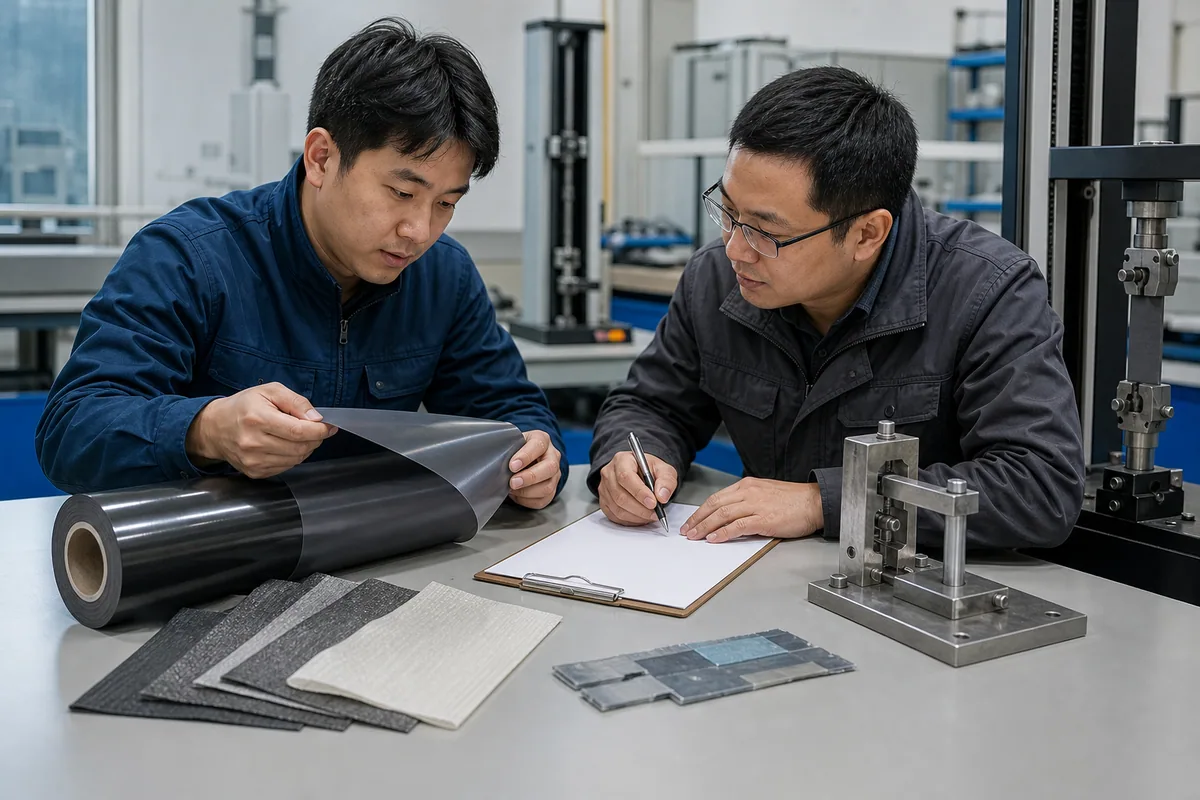
You can review the broader range of TPU fabric material options first. If the project uses a bonded multilayer construction, the TPU laminated fabric page explains that material route. Projects whose main requirement is a liquid barrier can continue to TPU waterproof fabric before requesting a sample.
LonaTarp prepares TPU roll materials against confirmed B2B project requirements. Roll Materials: MOQ 5,000 m². A material sample can be checked before the production lot is released. Once the specification is locked, standard scheduling is normally around 15 days; construction complexity, order size and the active production plan determine the final date. Certification or test documents must be confirmed for the exact product and project.
Need to compare a TPU structure? Tell us what the material must do, how you will join it, which test you will use and the volume you expect. We can review the sample path and the specification points that still need confirmation.