









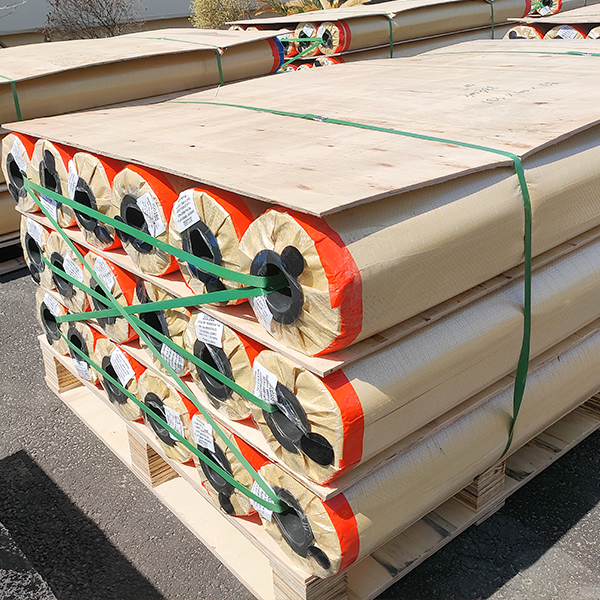
What Is 18 oz Vinyl-Coated Polyester?
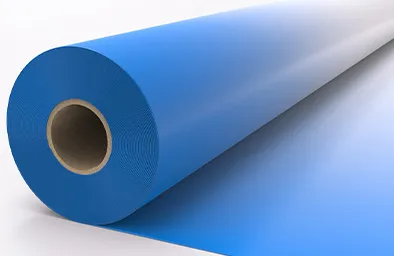
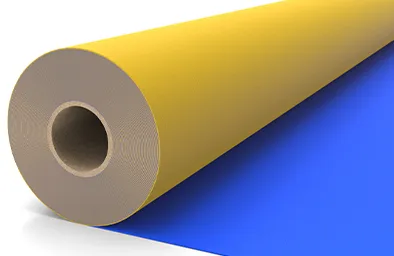
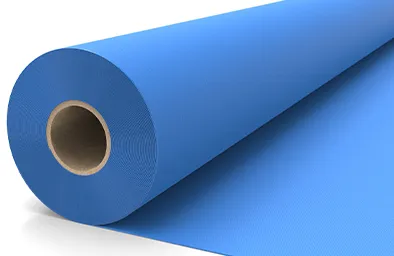
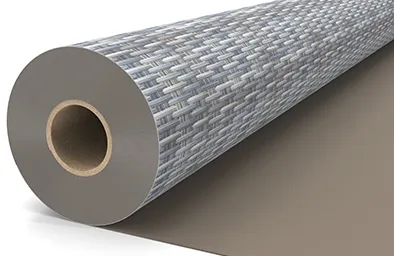
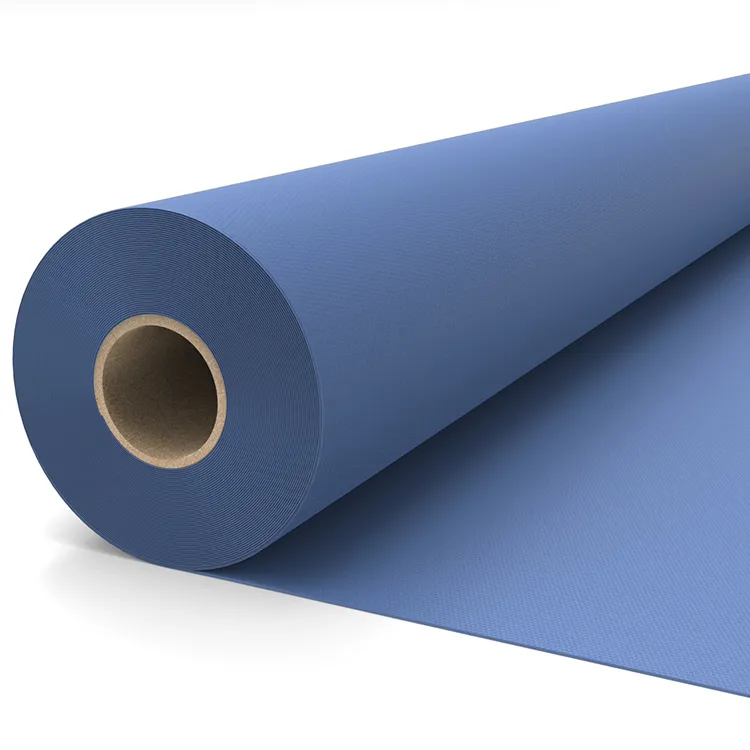
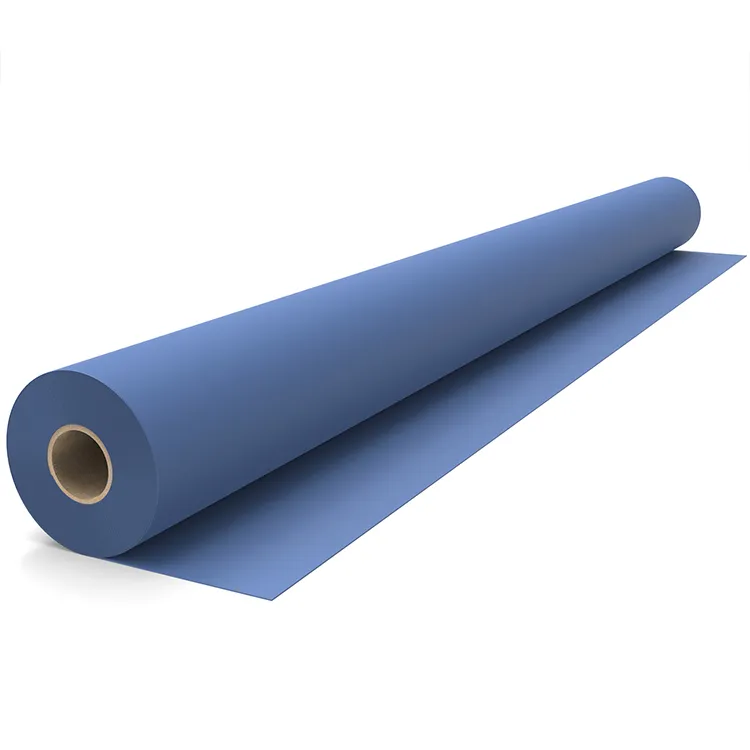
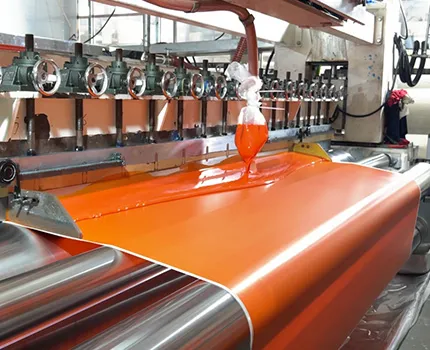
18oz vinyl coated polyester is a PVC-coated polyester material used for downstream fabrication of tarps, covers, curtains, and other industrial products.
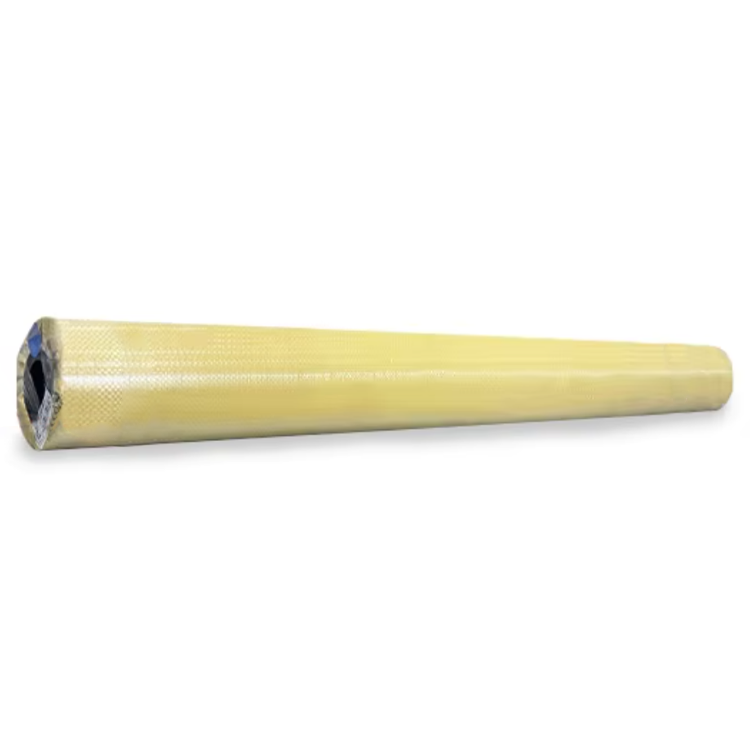
For material buyers, the important distinction is the supply form: this page covers material supplied in rolls for further cutting, welding, sewing, printing, or other fabrication. It does not cover a completed tarp with finished dimensions, hems, reinforcement, grommets, or attachment hardware.
The 18 oz designation provides a material-weight basis. It does not by itself define thickness, base-fabric construction, coating structure, surface finish, strength, or suitability for a particular finished product.
For an OEM or fabricator, the material should therefore be selected together with the intended conversion process and the requirements of the product being manufactured.
18 oz Vinyl Tarp Material vs a Finished 18 oz Tarp
The terms used in the tarp market can make material and finished products look more similar than they actually are.
An 18 oz vinyl tarp material order is for material that will still be converted into a finished product. A finished 18 oz tarp has already gone through the required fabrication.
| Specification | 18 oz Vinyl-Coated Polyester Material | Finished 18 oz Vinyl Tarp |
|---|---|---|
| Supply Form | Roll material | Finished cover |
| Dimensions | Material width and roll format | Finished tarp dimensions |
| Cutting & Joining | Completed downstream | Included in finished fabrication |
| Hems & Reinforcement | Added downstream if required | Incorporated according to finished design |
| Grommets & Hardware | Added downstream if required | Installed according to finished design |
| Primary Buyer | Fabricator / manufacturer | Finished-product buyer |
| Purchasing Task | Material for conversion | Completed tarp or cover |
Search and supplier terminology is not always consistent. Phrases such as “18 oz vinyl coated polyester tarps” or “18 ounce vinyl coated polyester tarp” may be used in contexts referring to finished products rather than roll material.
For this page, the purchasing object remains the material itself. If your requirement includes finished dimensions, hems, reinforcement, grommets, D-rings, straps, or other completed-cover features, you are sourcing a finished tarp rather than roll material.
18 oz Vinyl-Coated Polyester Roll Specifications
For B2B material procurement, the 18 oz weight designation is only one part of the order.
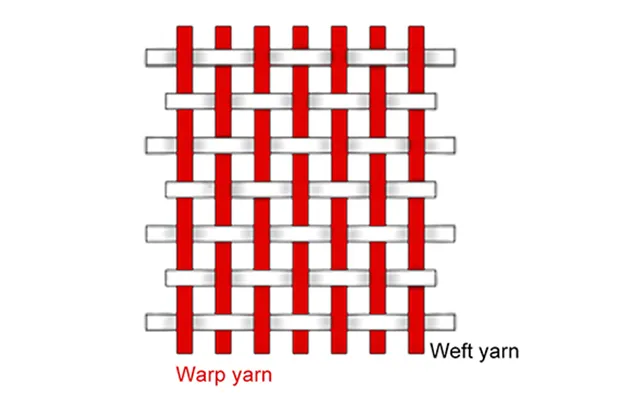
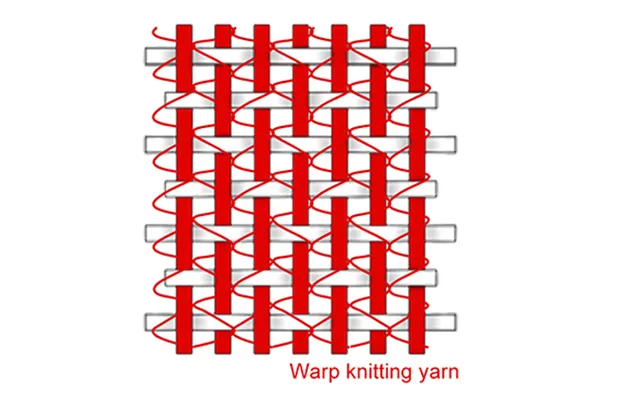
The base fabric, PVC coating, thickness where required, width, color, surface, roll format, downstream processing, testing, and packaging can all affect whether the material fits the intended manufacturing process.
| Specification | Material Order Requirement |
|---|---|
| Material | PVC-coated polyester |
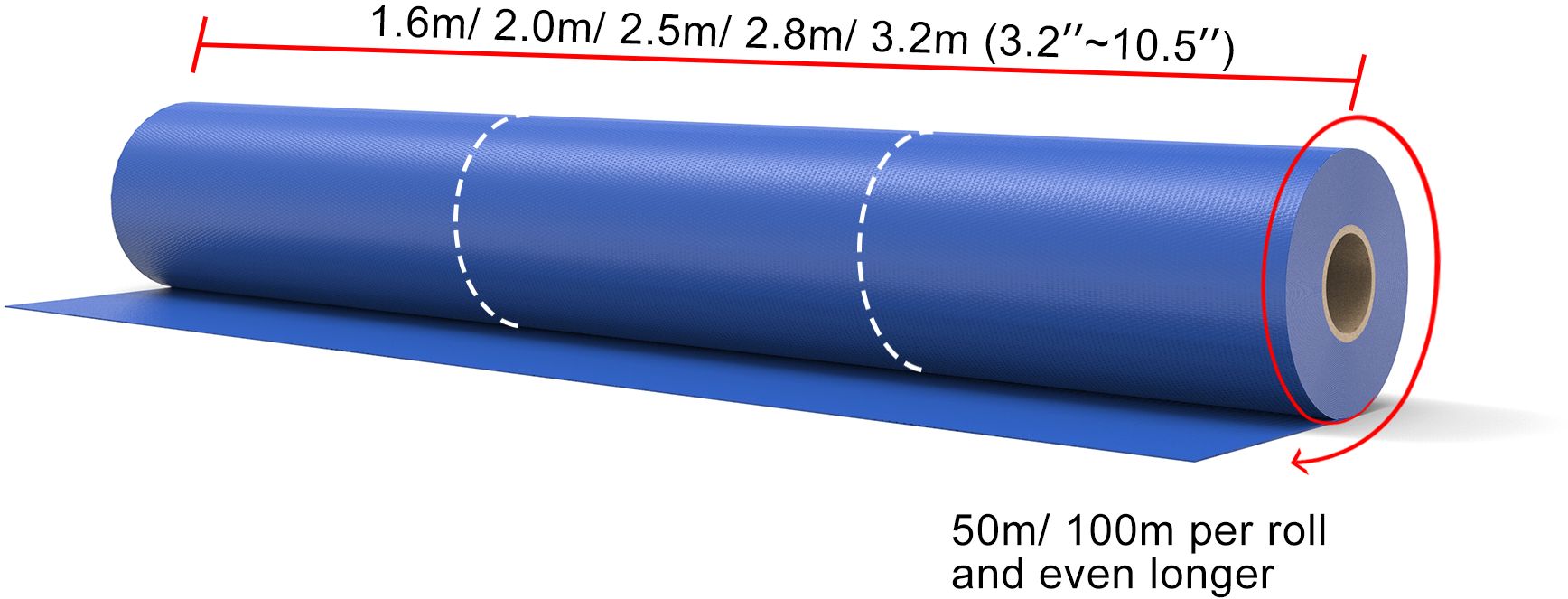
| Supply Form | Roll material |
| Material Weight | 18 oz/yd² specified basis |
| Base Fabric | Confirm according to required material construction |
| PVC Coating | Confirm according to material and finished-product requirements |
| Thickness | Confirm separately when required |
| Width | Confirm according to order and conversion requirements |
| Color | According to order requirements |
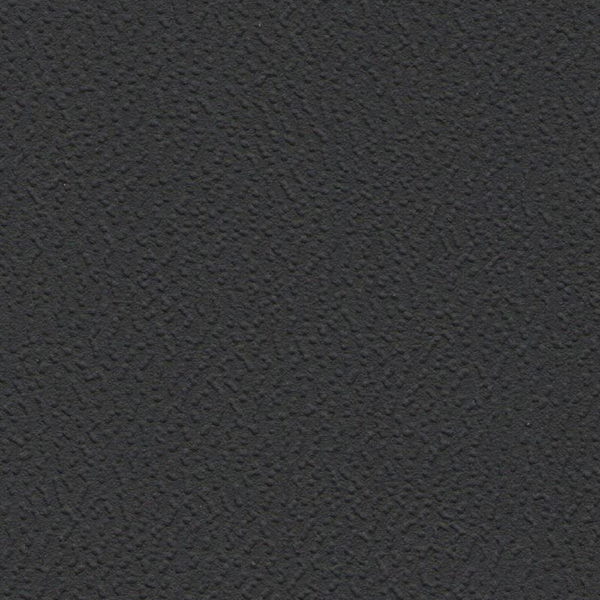
| Surface | Confirm according to appearance and downstream processing requirements |
| Roll Format | According to production and order requirements |
| Printing Requirements | Review when printing is part of the downstream process |
| Test Requirements | According to agreed standard, method, or acceptance criteria |
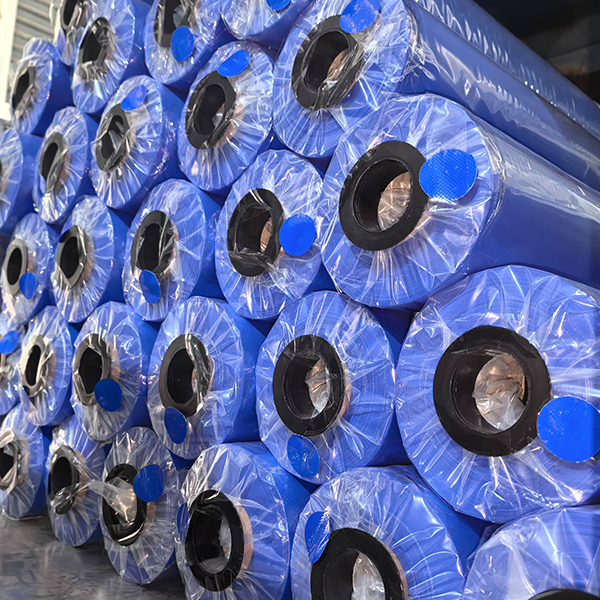
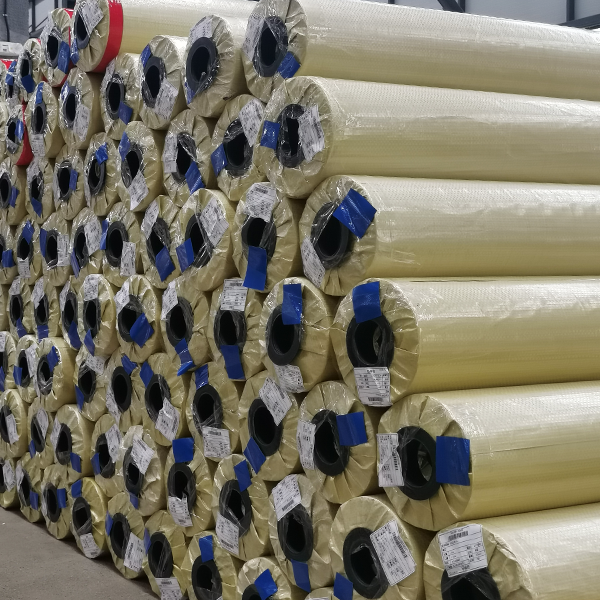
| Packaging | Roll packaging according to order requirements |
| Roll Material MOQ | 5,000 m² |
An 18 oz material-weight requirement should not automatically be converted into a fixed mil thickness or treated as a complete performance grade.
If your current material already has a defined thickness, base-fabric construction, color, surface, test requirement, or other technical value, those details can be reviewed together with the 18 oz weight basis.
Choose the Material Around Your Conversion Process
A roll material is only useful if it can move reliably through the manufacturing process used for the final product.
Before bulk production, tell us how the material will be converted. Welding, sewing, cutting, printing, and combinations of these processes can place different requirements on the material and surface.
Welding and Heat Joining
If the material will be joined by high-frequency welding, hot-air welding, or another heat-based process, the intended joining method should be identified during material review.
The objective is not to assume that every 18 oz construction behaves identically. The material structure and process conditions should be evaluated against the intended fabrication route.
For manufacturers already using an 18 oz material, an existing sample and current processing method can provide a useful starting point for comparison.
Sewing and Cutting
For sewn products, the material may need to work with the buyer's cutting, panel preparation, sewing, webbing, and assembly process.
Material width can also affect cutting layout, yield, panel planning, and downstream production efficiency.
If the buyer has an established manufacturing line, providing the current material width, cutting arrangement, and finished-product requirements helps define a more comparable material specification.
Printing and Surface Requirements
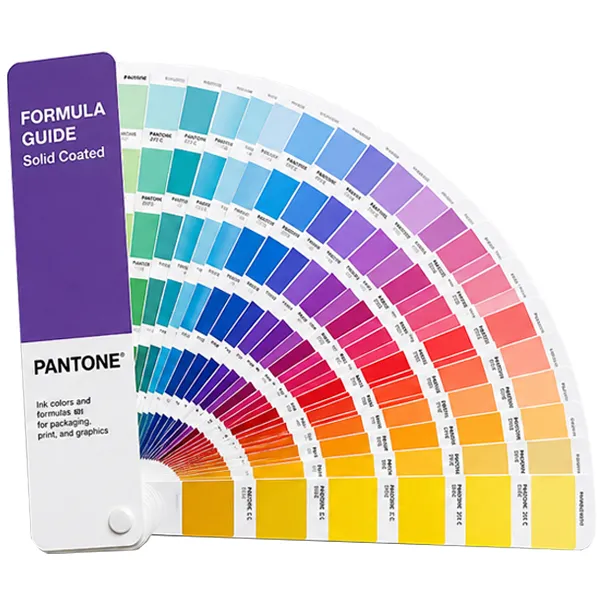
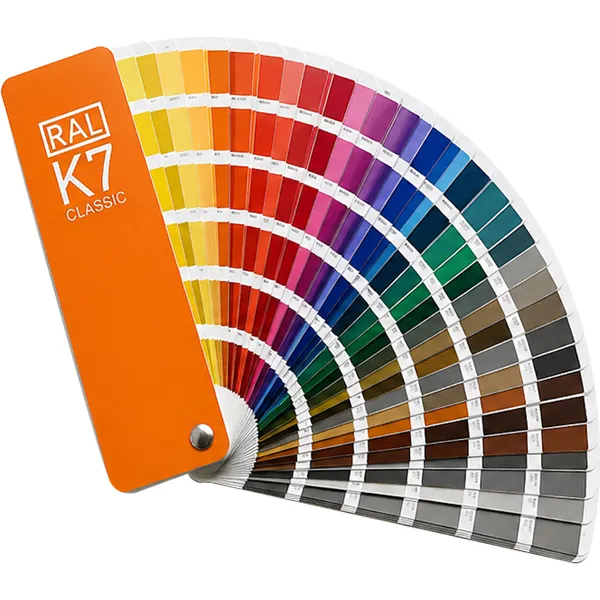
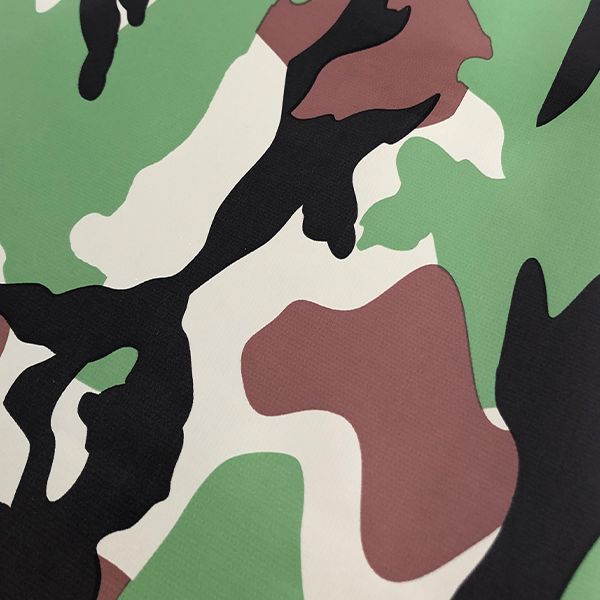
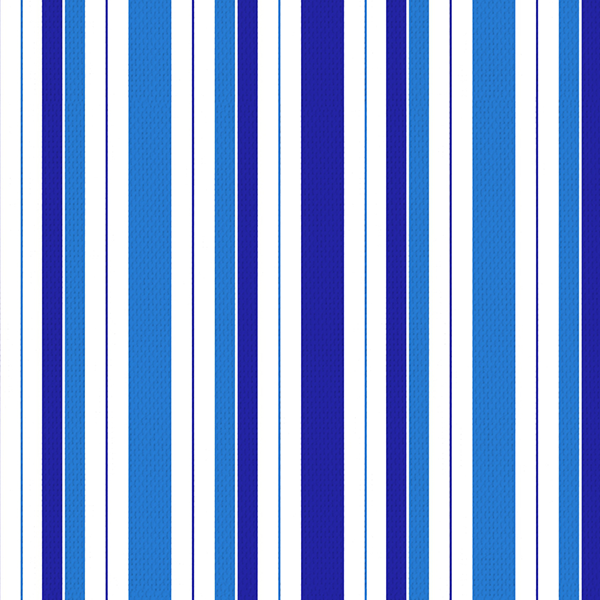
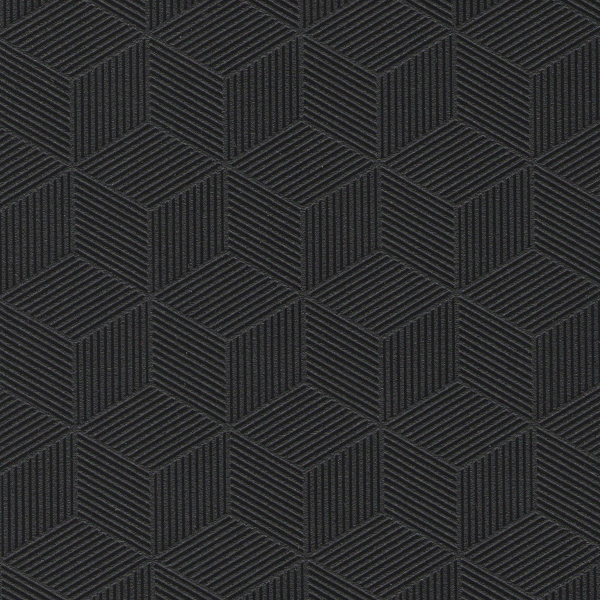
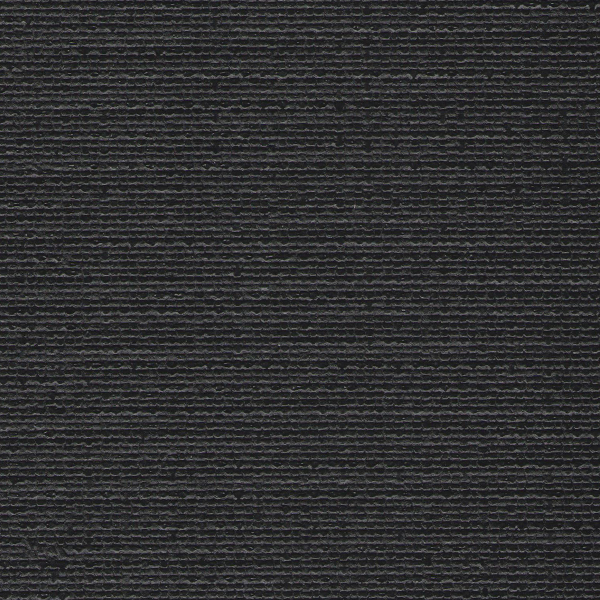
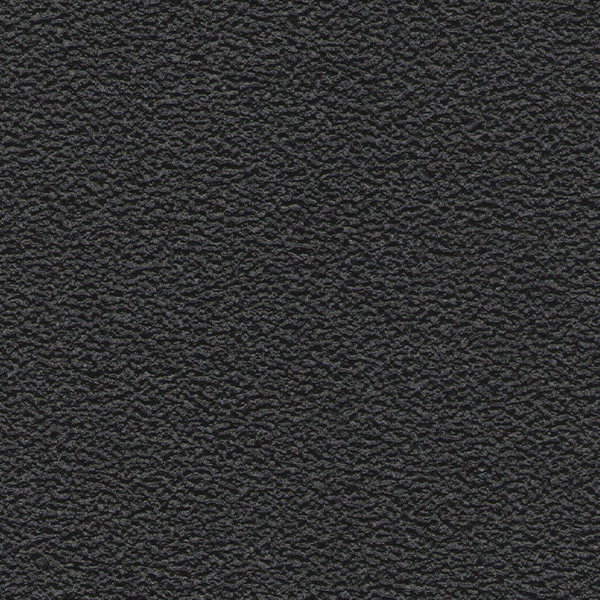
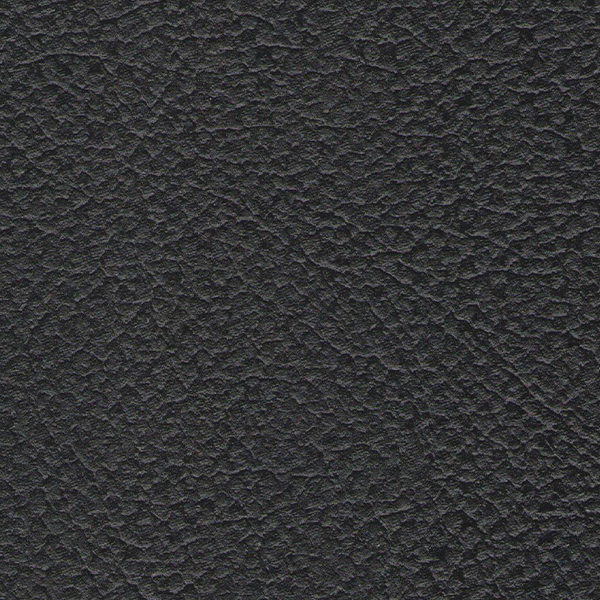
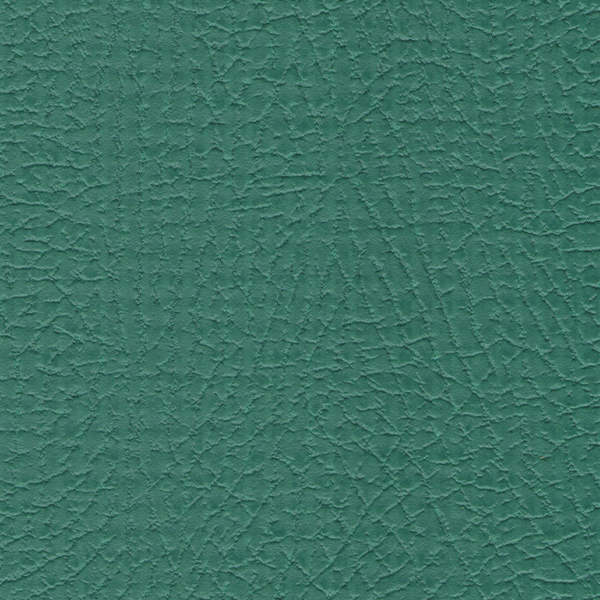
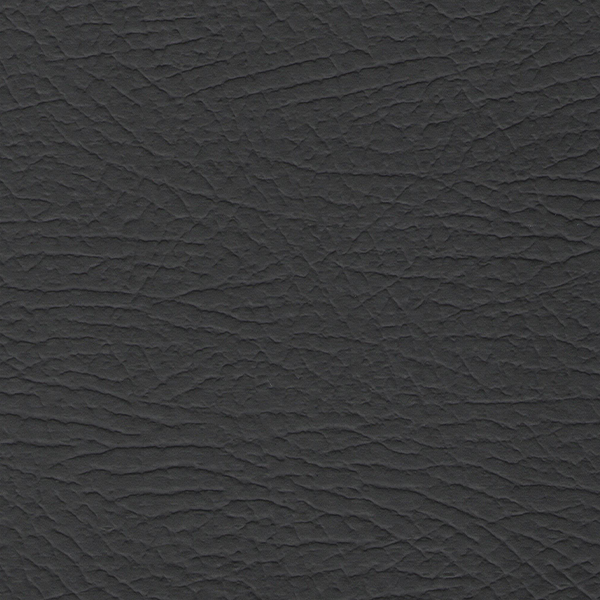
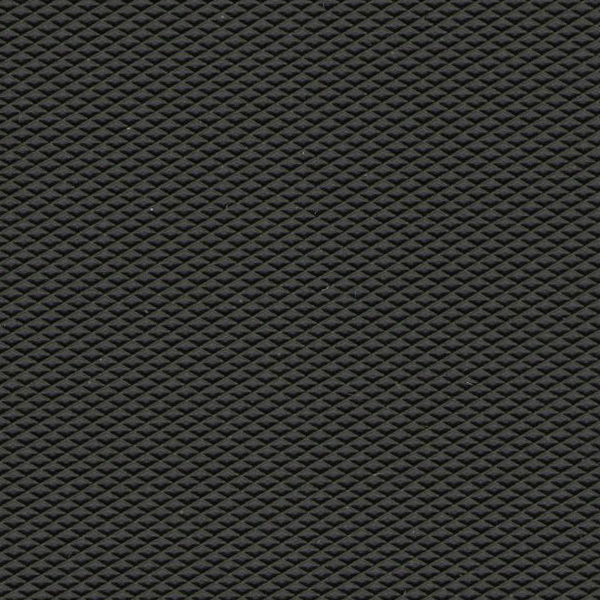
Where the material will be printed or where surface appearance matters to the finished product, color, surface finish, printing method, and visual reference should be included in the review.
An approved material sample can be particularly useful when an existing product needs to maintain a consistent appearance across repeat orders.
Tell Us What You Will Make from the Material
The final product helps determine which material details matter.
A fabricator producing tarps may focus on joining, folding, reinforcement, and hardware assembly. A manufacturer producing industrial covers or curtains may have different requirements for panel construction, sewing, welding, surface appearance, or printing.
For that reason, material review should start with three practical questions:
- What finished product will you manufacture?
- How will the material be cut, joined, sewn, welded, or printed?
- What conditions will the finished product face in use?
These answers help identify which material characteristics need to be specified or tested before a bulk roll order is placed.
This does not mean that the material page designs the finished product for the buyer. The purpose is to make sure the roll specification supports the buyer's own conversion process and finished-product requirements.
Width, Color, Surface and Roll Requirements
For repeat manufacturing, material consistency involves more than the 18 oz weight description.
The buyer should identify the width required by the cutting or fabrication process, the color or visual reference, the required surface, the roll and packaging format, and any production tolerances that matter to downstream conversion.
For an existing program, the current material sample or specification can be used as a comparison reference.
A material RFQ is more useful when it includes:
- Intended finished product
- Conversion process
- Current 18 oz material reference or sample
- Base-fabric or coating requirements, if already defined
- Required width
- Color and surface reference
- Roll and packaging requirements
- Required tests or acceptance criteria
- Order quantity
- Sample or trial-conversion requirements
Roll Materials: MOQ 5,000 m².
Verify the Material Before Bulk Roll Production
For industrial fabrication, a material that looks acceptable on a specification sheet still needs to fit the buyer's actual process and acceptance requirements.
Sample and Material Review
A sample can be used to review the material against the agreed requirements for weight, construction, width, color, surface, and other defined characteristics.
Where the buyer is replacing an existing material, the current sample can also provide a practical comparison point.
Trial Conversion and Batch Acceptance
When welding, sewing, printing, or another conversion process is critical, trial conversion can help identify processing issues before a bulk order.
The buyer and manufacturer can then use the agreed material specification, sample, test method, and applicable tolerances as the basis for batch acceptance.
This is particularly useful for repeat manufacturing programs where material consistency affects downstream production efficiency and the finished product.
OEM 18 oz Vinyl-Coated Polyester for Industrial Fabrication
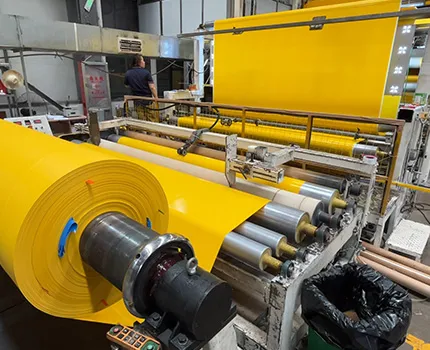
LonaTarp supplies 18 oz vinyl-coated polyester roll material for industrial manufacturers, fabricators, OEMs, and other B2B buyers that convert coated fabric into finished products.
For an existing material program, we can review the current sample or specification together with the required width, color, surface, roll format, conversion process, testing, packaging, and order quantity.
For a new program, the material can be reviewed around the intended finished product and manufacturing process rather than selected from the 18 oz weight designation alone.
Material supply programs can include:
- Defined 18 oz material specifications
- Required roll widths
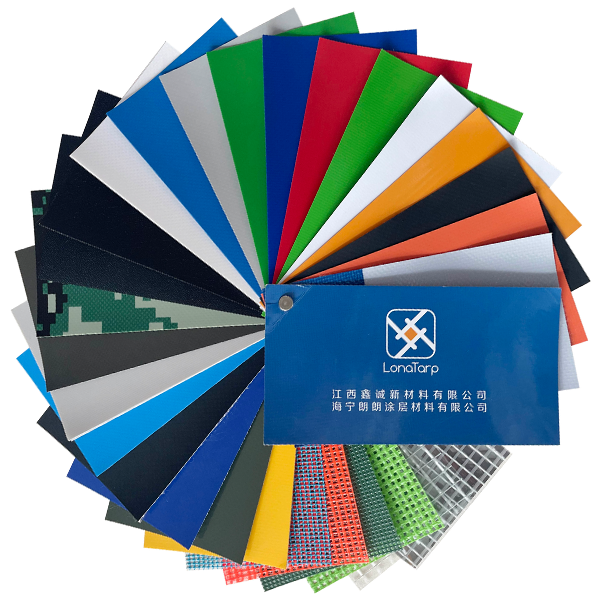
- Custom colors and surface requirements
- Material references for repeat orders
- Printing requirements where applicable
- Test and acceptance requirements
- Roll packaging requirements
- Sample review and trial conversion
- Repeat-order batch references
Roll Materials: MOQ 5,000 m².