




A Graphic-Led Surface, Not a Conventional Texture Print
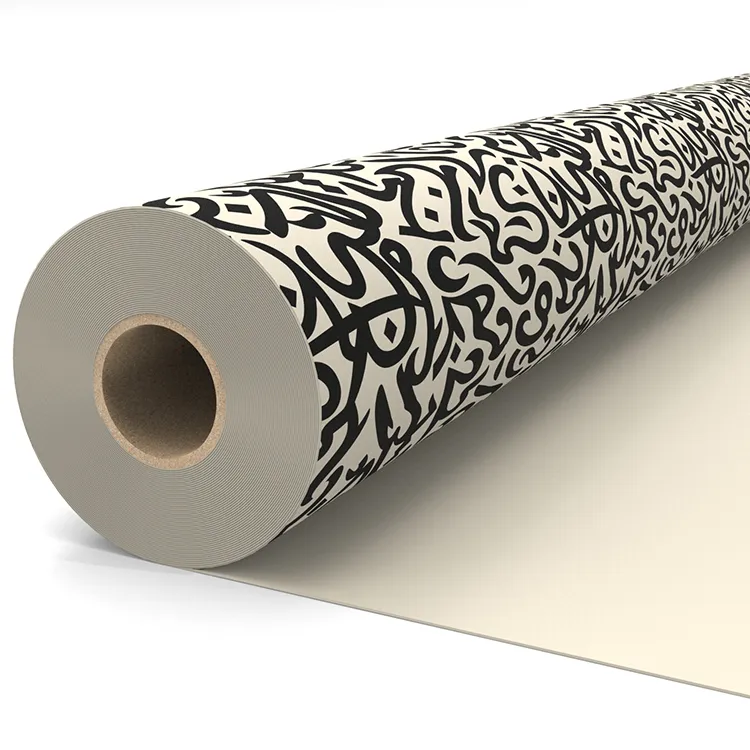
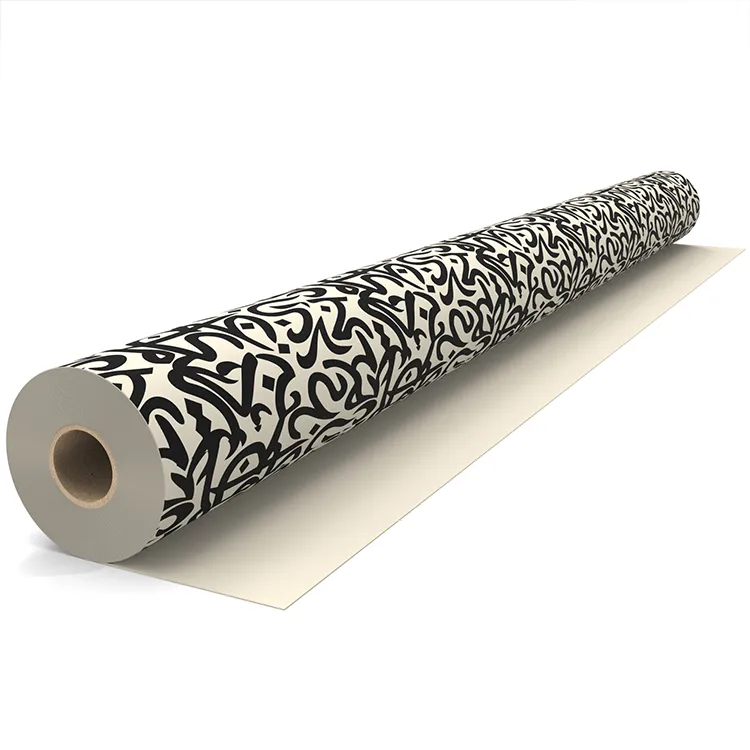
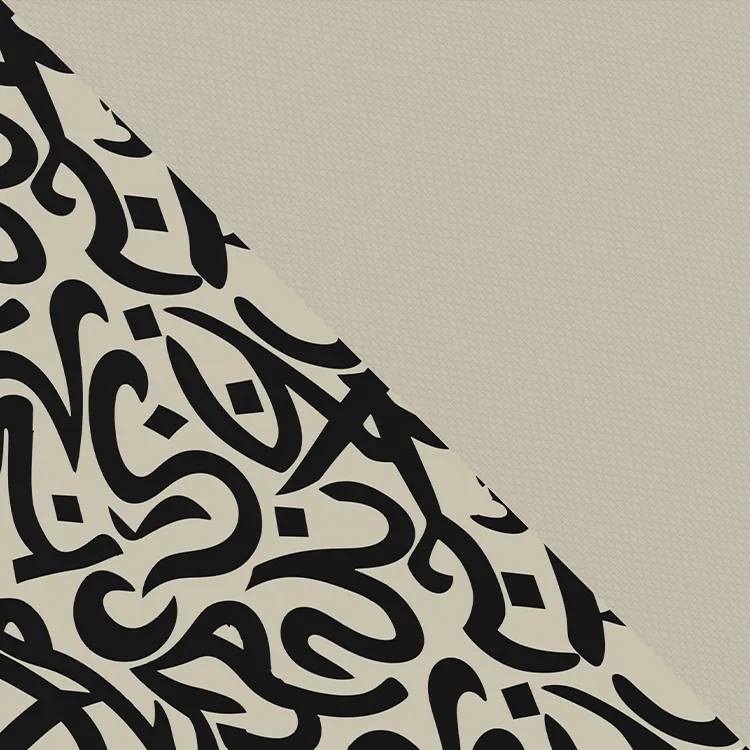
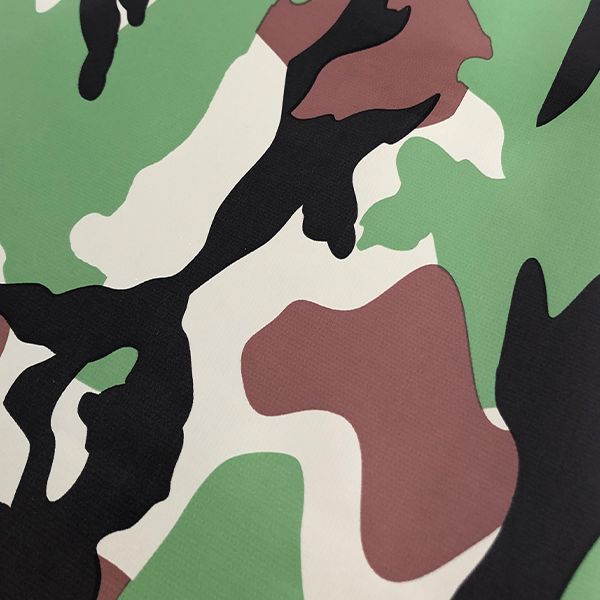
This 930GSM Printed PVC Tarpaulin features bold black calligraphy-style graphics over a warm off-white background. Unlike wood, rattan, or textile-inspired prints, this design uses large flowing characters and high visual contrast to make the printed surface the main design element.
The irregular letterforms create movement across the roll and prevent the material from appearing like a simple repeating geometric pattern. On a large finished panel, the black graphics become more prominent; on smaller sections, the result depends heavily on where the material is cut.
The design is printed onto flexible PVC tarpaulin. It is not embossed, woven, handwritten, or applied as a separate surface layer.
Confirm the Meaning Before Production
The visible graphics should not automatically be treated as verified Arabic wording. If the design is intended to communicate a specific message, name, quotation, or cultural reference, the artwork should be reviewed by a qualified Arabic-language specialist before production.
Before approving a calligraphy-based print, confirm:
- The exact wording and intended meaning
- Correct letterforms and spelling
- Reading direction and artwork orientation
- Whether the design contains religious or culturally sensitive language
- Which parts of the artwork may be cropped
- Whether rotation or repetition changes the intended meaning
- Permission to reproduce any supplied artwork
If the print is decorative rather than linguistic, describe it as an Arabic calligraphy-inspired pattern instead of claiming that it contains readable Arabic text.
Treat the Print as Part of the Cutting Layout
At 930GSM, this material has substantial weight and body. The finished dimensions, total product weight, folding method, attachment points, and handling requirements should be considered before the material is confirmed for a project.
The calligraphy pattern also needs a different layout approach from small repeating prints. Important elements can be interrupted by seams, hems, openings, or reinforced areas if the cutting plan is developed without reference to the artwork.
Use a scaled panel drawing to identify which portions of the calligraphy will remain visible on the finished product. For text-based artwork, confirm the reading direction before deciding how the roll will be oriented during production.
The 930GSM value identifies material weight only. Any requirement involving mechanical performance, weather exposure, flame resistance, or regulatory compliance must be confirmed through the relevant technical information.
Use the Design Where Visual Identity Leads
For hospitality and cultural projects, the calligraphy-style surface can be considered for flexible partitions, privacy panels, equipment covers, and temporary enclosure components. Confirm that the wording and visual treatment are appropriate for the intended location.
For event and display projects, the large black graphics can provide a stronger visual presence than a plain or texture-based tarpaulin. Review the pattern at full product scale so important details are not lost when the material is cut.
For protective and storage products, the print may be applied to covers, organizers, or fabricated PVC components that require a distinctive black-and-cream appearance. The final use should remain consistent with the approved cultural and linguistic context.
This material should not be used for sacred text, religious quotations, or culturally sensitive wording without suitable review and explicit approval.
Made to Order from Approved Artwork
We produce this material after the print reference and order specification have been confirmed. The image shown on the page represents an available design direction and does not indicate that finished rolls have been produced in advance.
You can use the displayed artwork after confirming its suitability, or send us an approved vector file for a different calligraphy design. Custom production starts from 5,000 m². The artwork, color separation, pattern repeat, orientation, and permitted cropping areas should be finalized before production.
A physical print sample can be used to approve the black density, background tone, line clarity, and overall scale. Keep the approved artwork file and material sample as references if the same specification is ordered again.