















Travel Trailer Awning Replacement Fabric Panels for B2B Repair Programs
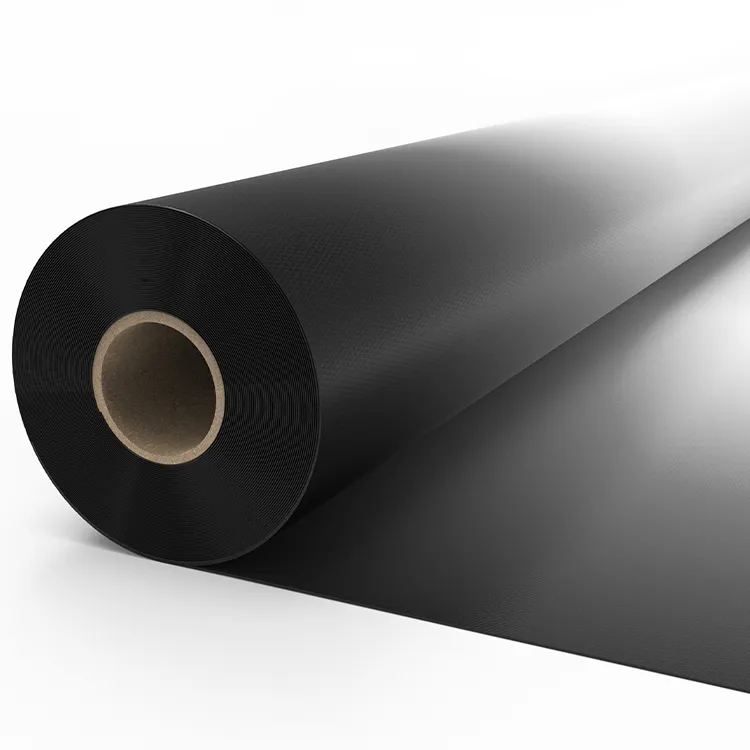
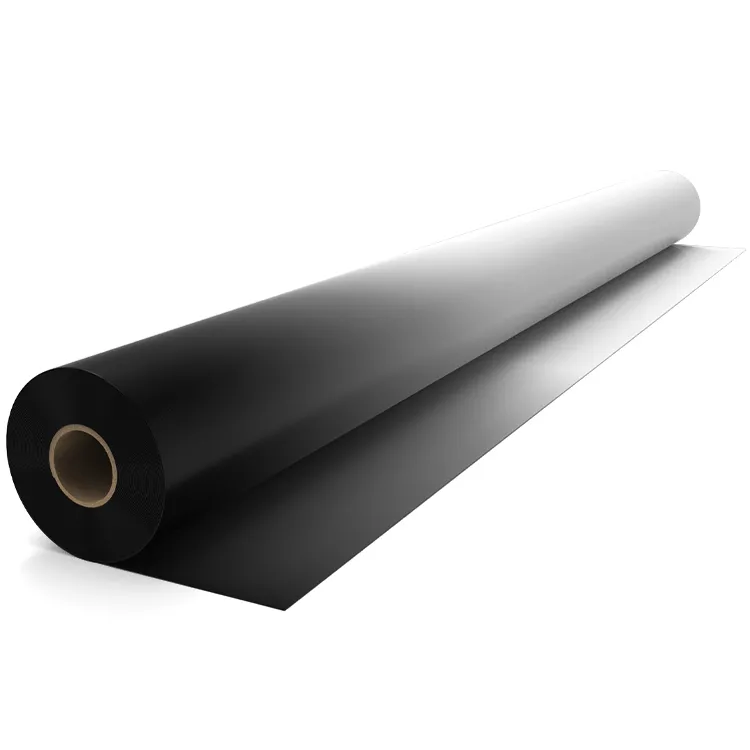
Travel trailer awning replacement should be narrowed to the fabric part before a quote is prepared. LonaTarp can review PVC or vinyl-coated awning fabric, cut panels and finished fabric panels for B2B replacement programs, but we do not quote awning arms, motors, roller tubes or official branded parts.
For a safer sample, send the old fabric edge, finished width, projection, bead or rail detail, valance plan, color target, underside requirement and quantity. These details help us decide whether your order should start from roll material, factory-cut panels or finished replacement fabric panels.
Travel Trailer Awning Replacement Fabric Should Start With the Old Edge
Travel trailer awning replacement fabric is easier to judge from the edge than from the clean center of an old canopy. The edge can show bead position, rail fit, folding memory, coating feel, underside color and whether the previous panel used welded, sewn or raw-edge construction.
For dealer or workshop replacement programs, this small sample can prevent a repeated mistake across several trailer sizes. If the edge is missing, send close photos of the rail area, a drawing with bead notes and the finished panel dimensions before we prepare a material sample.
Travel Trailer Awning Fabric Replacement Needs a Size Set, Not One Generic RV Size
Travel trailer awning fabric replacement usually involves more than one size. A distributor may need several finished widths, different projections, standard valance depth and one color family for a repair program. A repair shop may need cut panels that leave final edge work to the local team.
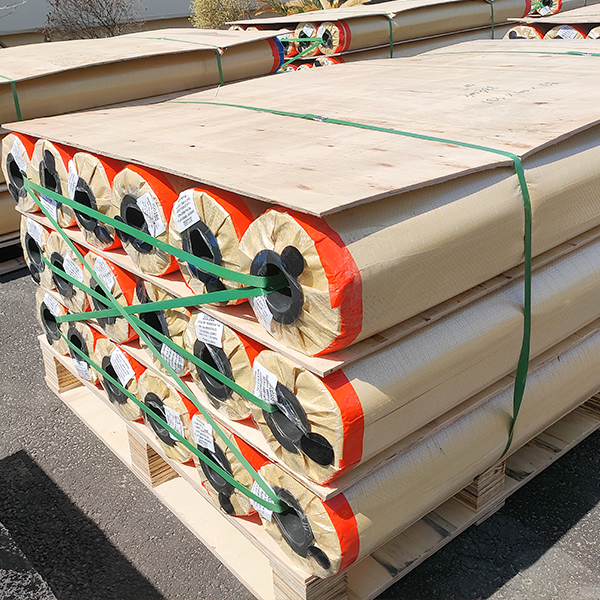
Before quotation, group the order by finished width, projection, fabric direction, valance style and packing requirement. This helps our factory check roll width, cutting loss, color-batch control and whether a finished panel route is more stable than sending loose material.
Finished Panels or Roll Material: Choose the Replacement Route Before Sampling
Finished fabric panels are useful when the buyer wants bead insertion, valance shape, edge welding, final size tolerance and packing checked before shipment. This route is better for dealer programs that need repeatable panel quality across many trailer models.
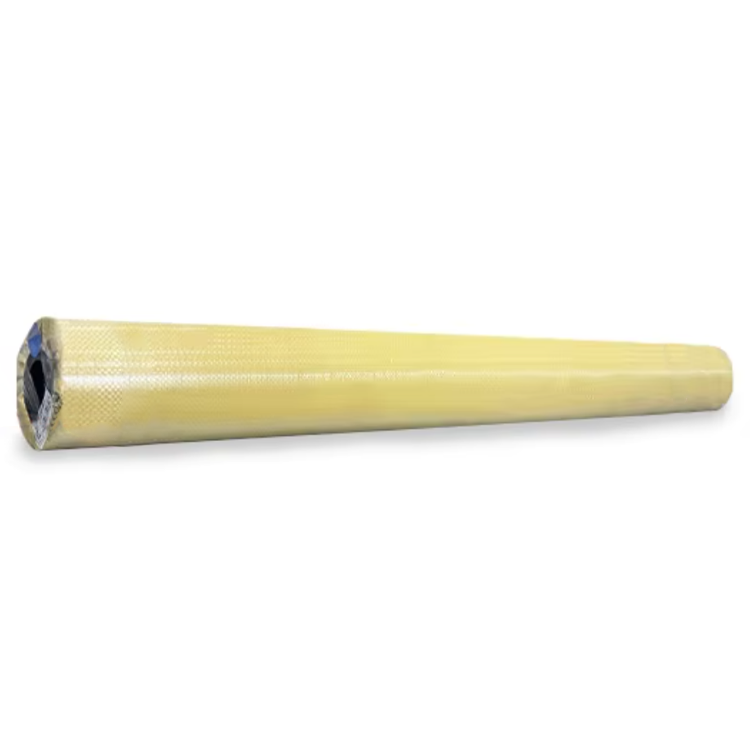
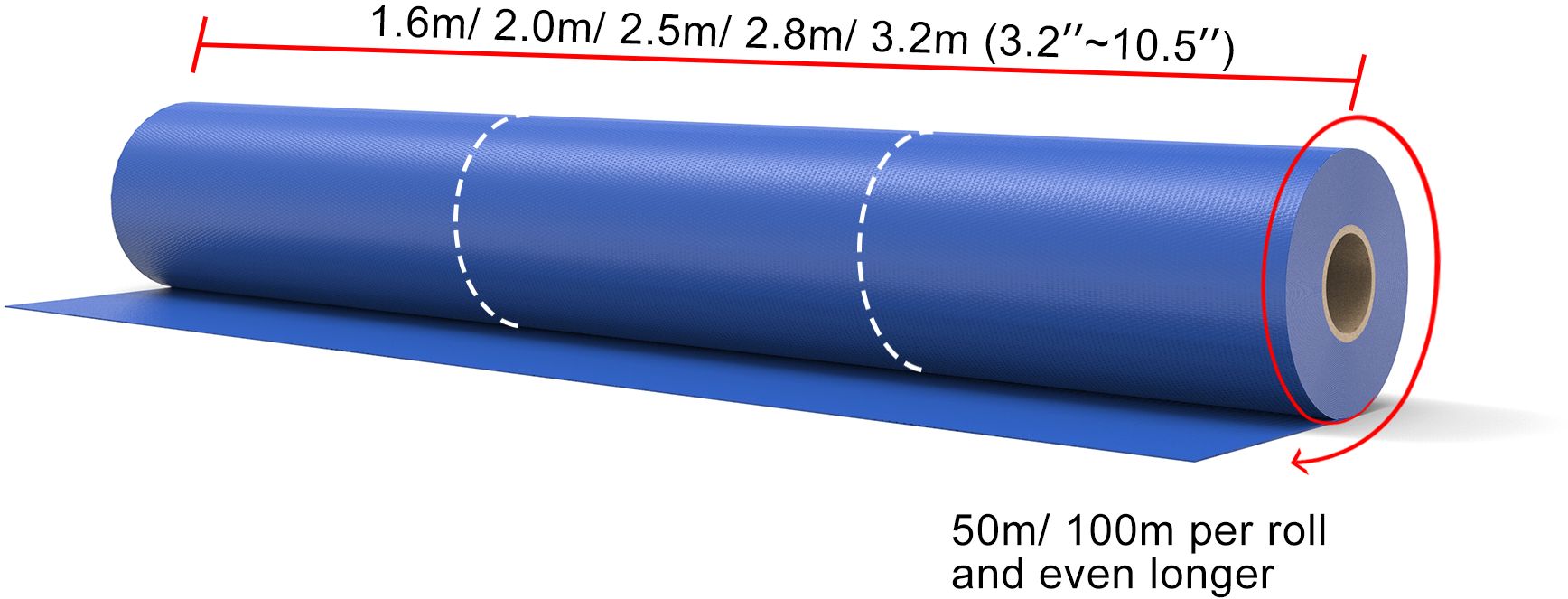
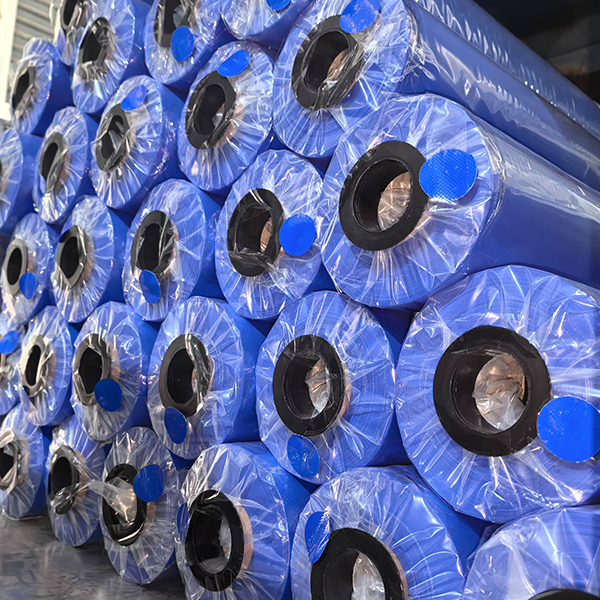
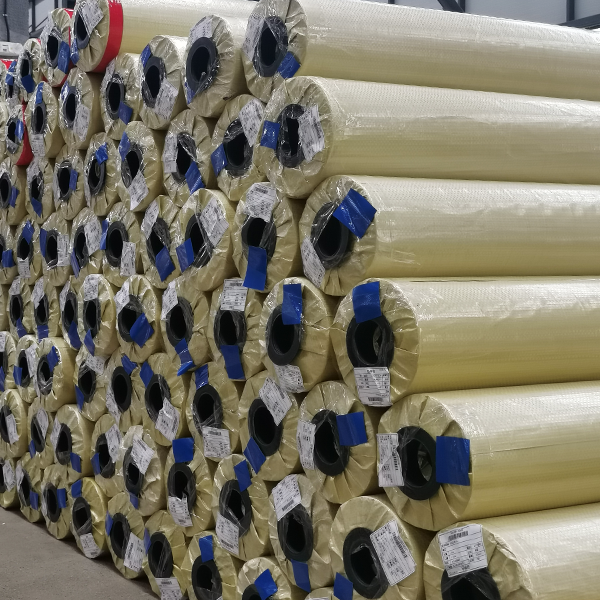
Roll material or factory-cut panels make sense when a local workshop already controls the final sewing, welding or rail insertion. In that case, the sample should confirm the fabric surface, roll width, coated face direction, color batch and whether the material can be processed by the buyer's equipment.
Material Checks for Outdoor Travel Trailer Use
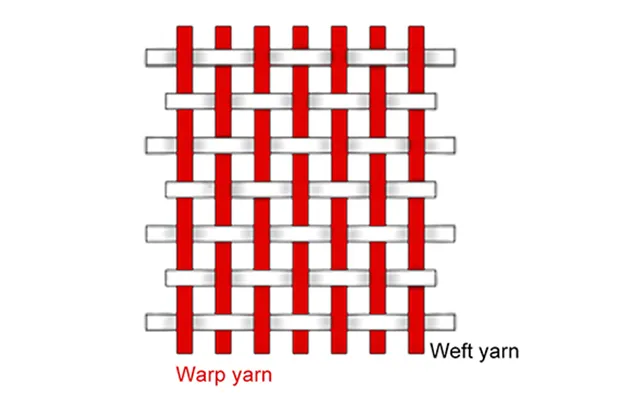
Most replacement programs start with PVC or vinyl-coated polyester because the fabric needs waterproofing, flexible rolling behavior and a stable surface for outdoor exposure. The useful question is not only "How many GSM?" A correct specification should also look at base fabric strength, coating flexibility, color fastness, mildew-resistance requirement and the planned edge process.
If the trailer market faces strong sun, heavy rain or long storage, we normally recommend checking samples under realistic light and handling conditions. UV and weathering packages can slow aging, but no supplier should turn an accelerated test into a fixed outdoor service period without knowing the final environment.
What to Send Before Quoting a Travel Trailer Awning Replacement
| Buyer information | What LonaTarp checks | Why it matters |
|---|---|---|
| Old fabric edge sample | Bead position, rail fit, edge process and underside | Reduces fit mistakes before bulk replacement panels are made |
| Finished width and projection list | Size family, roll layout and cutting loss | Helps quote several travel trailer sizes as one program |
| Supply route | Roll material, cut panels or finished fabric panels | Prevents a quote based on the wrong production route |
| Valance and edge plan | Shape, depth, welding or sewing route | Affects appearance, packing and local installation work |
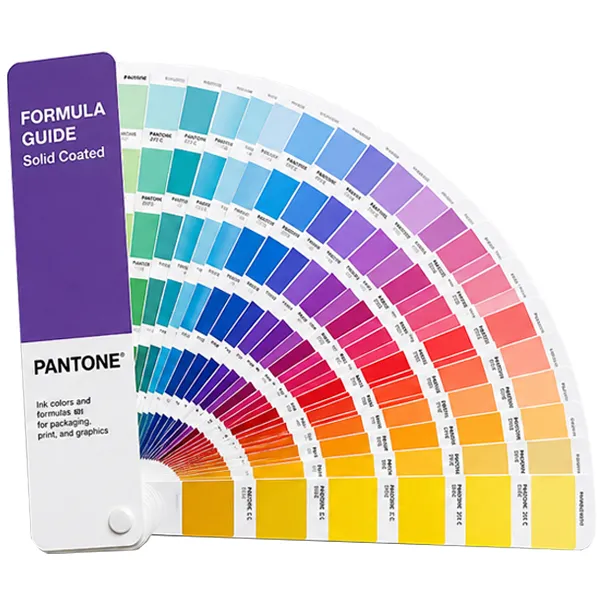
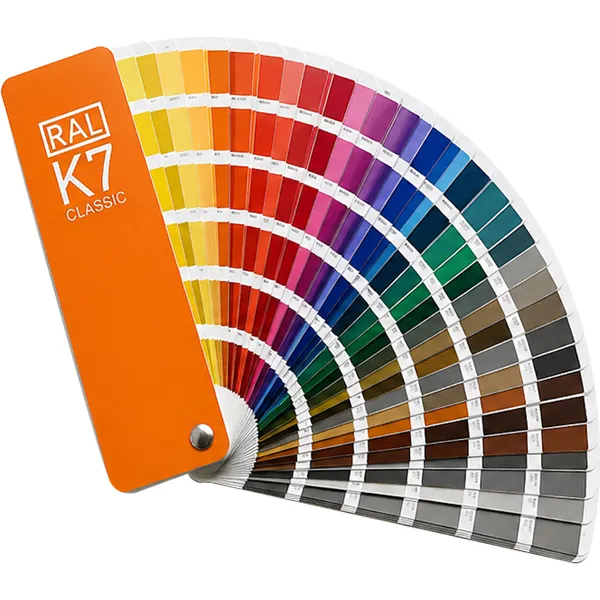
| Color target and underside | Shade, gloss, batch control and direction | Important when trailers are sold or repaired under the same program |
| Exposure condition | Sun, rain, humidity, storage and regional climate | Helps select coating and sample test requirements |
| Quantity and reorder plan | MOQ, packing, labeling and batch separation | Keeps bulk orders and later repeat orders easier to manage |