









610gsm PVC Tarpaulin for Buyers Concerned About Tearing Points
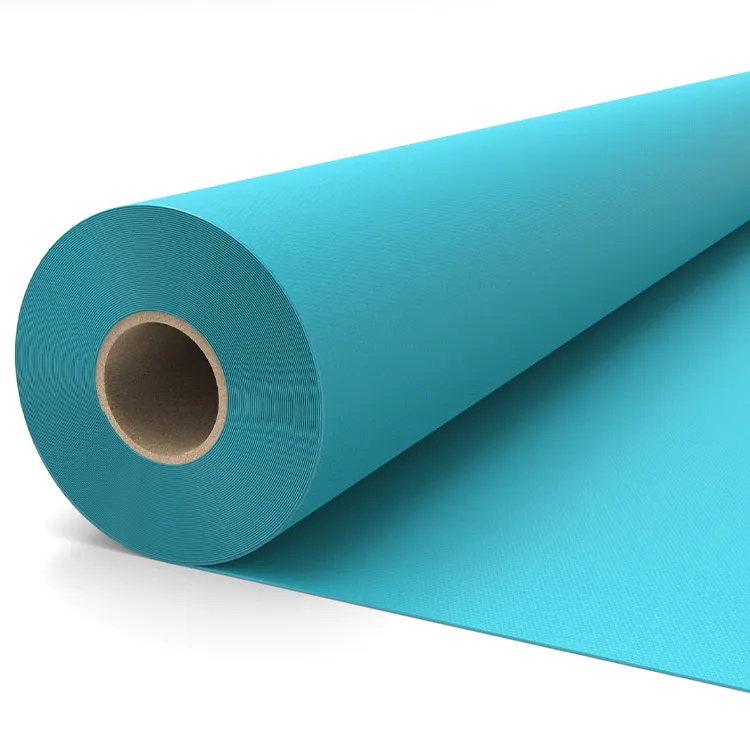
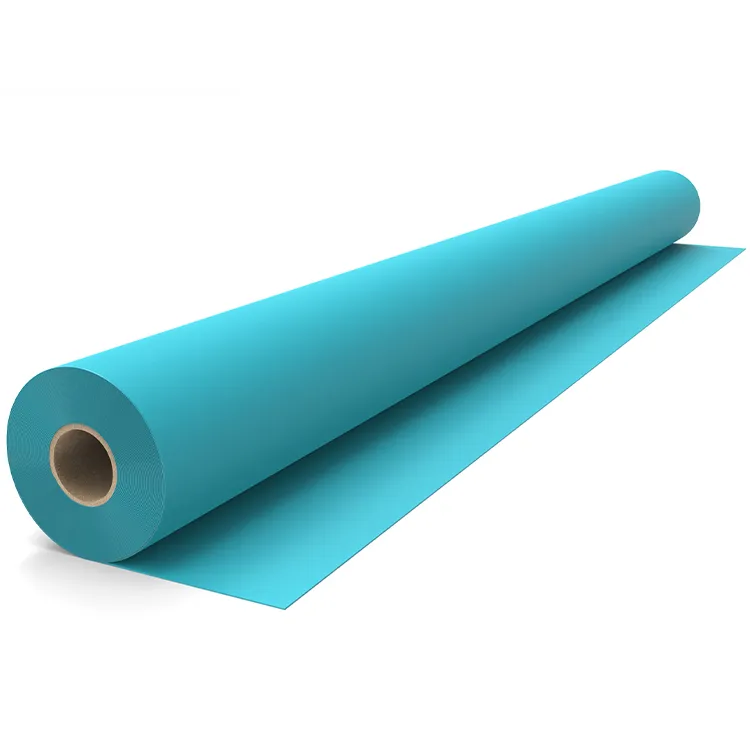
LonaTarp supplies 610gsm tarpaulin for B2B buyers who are not only looking for waterproof coated fabric, but also want better resistance around pulling points, folded edges, seams and fixing areas. This 610gsm PVC tarpaulin is a mid-to-strong material option for fabricated covers, curtains, divider panels and protective products that may face repeated handling or edge tension.
The value of 610gsm PVC is not that it is the heaviest option. Its value is that it gives more material body than lighter 500gsm or 600gsm grades, while still keeping the roll easier to process than 650gsm, 750gsm or 900gsm fabrics. For buyers searching for rip resistant PVC tarpaulin, this specification can be considered when tearing risk is a real concern, but full heavy-duty material may not be necessary.
Where Tearing Usually Starts
In many fabricated products, tearing does not begin from the flat center of the fabric. It often starts from stress points: corners, welded seams, folded edges, grommet areas, webbing lines or places where the material is pulled repeatedly. That is why a rip-resistant material decision should not be based on GSM alone.
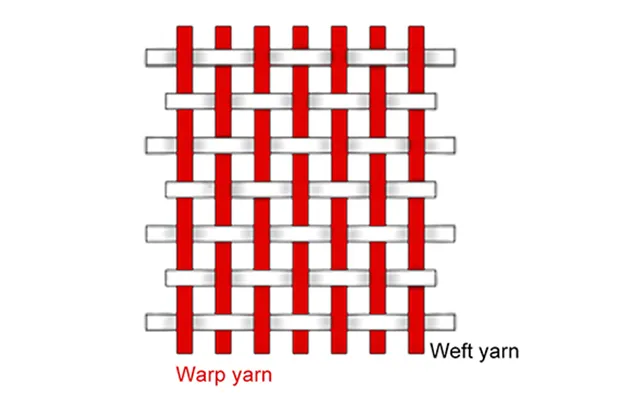
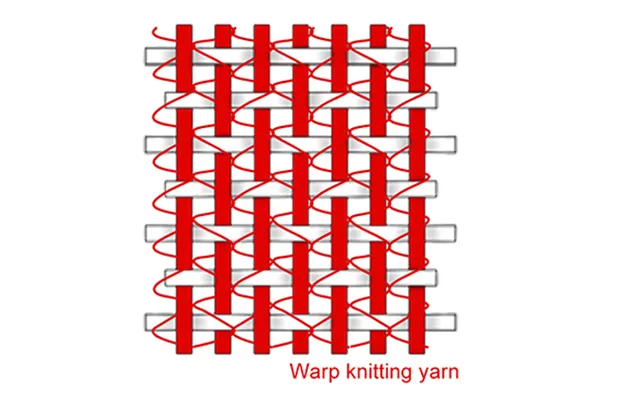
For 610gsm PVC tarpaulin, buyers should review the complete structure: base fabric strength, weave density, PVC coating adhesion, edge reinforcement, seam layout and the way the finished product will be installed. A stronger fabric direction helps, but correct fabrication design is still important.
Tear-Risk Points to Check Before Selecting 610gsm PVC
Tear-Risk Point
How 610gsm PVC Tarpaulin Helps
What Buyers Should Confirm
Corners and folded edges
Provides more material body than lighter grades, helping reduce weak-edge failure in repeated handling.
Confirm whether reinforced hems, webbing or folded-edge welding are needed.
Welded seam areas
A stronger coated fabric direction can support better seam planning than lightweight materials.
Confirm hot-air welding or HF welding method before production.
Grommet or fixing points
610gsm PVC can be used as a stronger base material for fixed or tensioned products.
Confirm eyelet spacing, reinforcement patches and pulling direction.
Repeated opening and closing
Better fabric body can help curtains or panels handle repeated movement more reliably.
Confirm panel size, hanging method and expected use frequency.
Dragging across equipment or surfaces
Heavier coating direction may improve tolerance against contact compared with lighter grades.
Confirm abrasion risk and whether a heavier GSM should be compared.
When 610gsm Makes Sense
| Tear-Risk Point | How 610gsm PVC Tarpaulin Helps | What Buyers Should Confirm |
|---|---|---|
| Corners and folded edges | Provides more material body than lighter grades, helping reduce weak-edge failure in repeated handling. | Confirm whether reinforced hems, webbing or folded-edge welding are needed. |
| Welded seam areas | A stronger coated fabric direction can support better seam planning than lightweight materials. | Confirm hot-air welding or HF welding method before production. |
| Grommet or fixing points | 610gsm PVC can be used as a stronger base material for fixed or tensioned products. | Confirm eyelet spacing, reinforcement patches and pulling direction. |
| Repeated opening and closing | Better fabric body can help curtains or panels handle repeated movement more reliably. | Confirm panel size, hanging method and expected use frequency. |
| Dragging across equipment or surfaces | Heavier coating direction may improve tolerance against contact compared with lighter grades. | Confirm abrasion risk and whether a heavier GSM should be compared. |
610gsm PVC tarpaulin makes sense when the finished product needs more reliability than a standard medium-weight fabric, but the buyer still cares about cutting speed, welding efficiency, packing volume and manual handling. It is often a practical middle choice for fabricators who need stronger material without moving too far into heavy roll production.
This material direction can fit medium-duty covers, warehouse curtains, divider panels, equipment protection and custom fabricated products. For moving curtains, 610gsm can provide better behavior around edges and repeated opening points. For covers, it can help when the material is pulled across equipment or fixed around corners. For panels, it offers a stronger coated fabric direction while still allowing practical conversion.
When to Move Up or Down
If the finished product is small, temporary, frequently folded by hand or highly cost-sensitive, 500gsm or 600gsm may still be enough. If the project involves large unsupported panels, rough abrasion, high pulling force, long-term outdoor exposure or strict mechanical strength requirements, buyers should compare 650gsm or 750gsm before confirming 610gsm.
The right choice depends on how the material will fail in real use. If the main risk is light rain or simple dust protection, 610gsm may be more than necessary. If the main risk is repeated pulling, edge damage or seam stress, 610gsm becomes more relevant.
Custom Production and Fabrication Notes
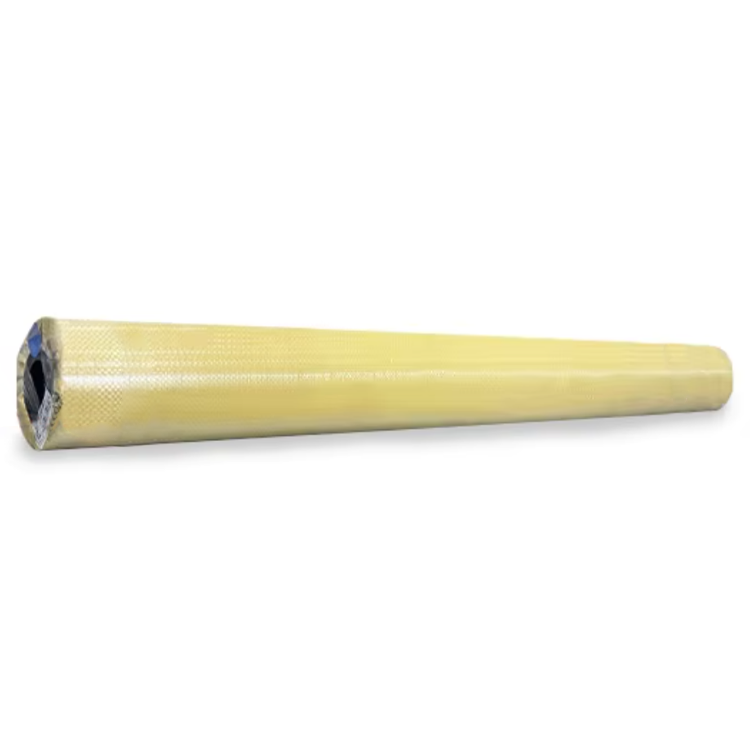
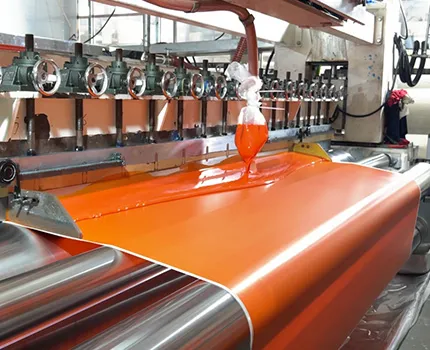
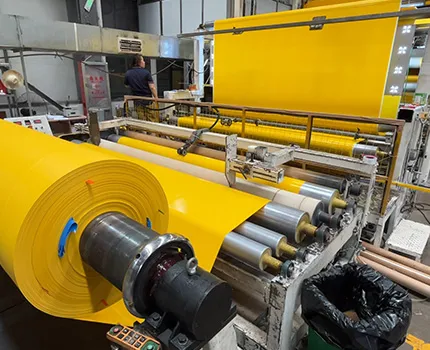
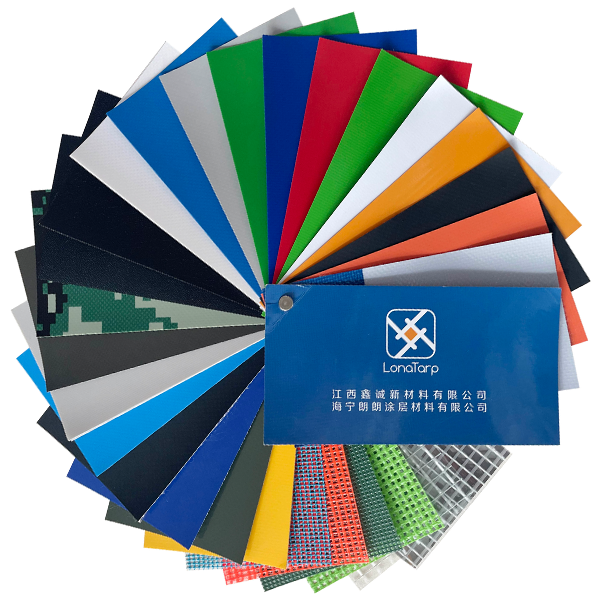
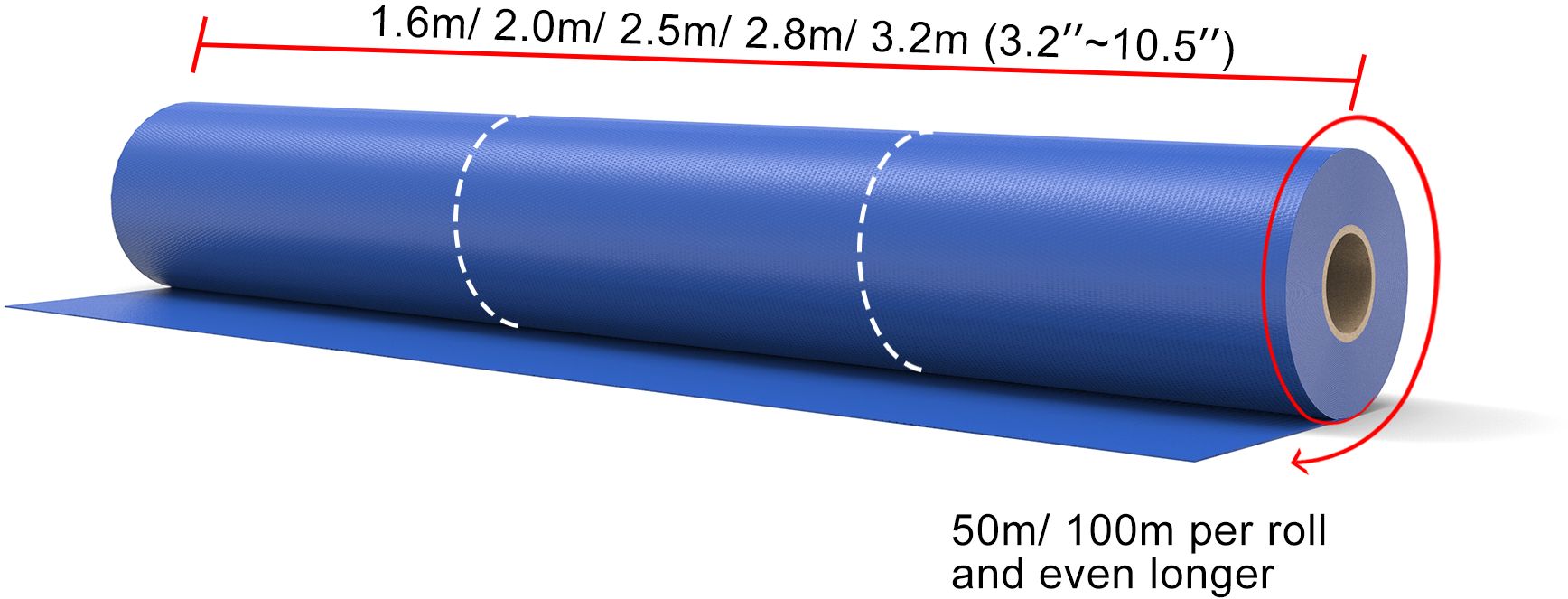
LonaTarp can produce 610gsm PVC according to confirmed roll width, roll length, color, surface finish, coating formula and packing requirements. Optional treatments such as UV resistance, flame retardancy, cold resistance or anti-mildew performance can be discussed before sample approval.
For rip-resistant projects, fabrication details should be confirmed early. Hot-air welding, high-frequency welding, sewing, cutting, eyelets, webbing and reinforced hems can all affect final durability. If the buyer needs tear-strength data or coating-adhesion checks, the test requirement should be confirmed before bulk production.
Samples, MOQ and Production Control
For custom 610gsm PVC tarpaulin orders, roll material MOQ is 5,000 sqm. A4 samples can be arranged for initial checking, while full-width sample rolls can be charged according to bulk unit price and deducted from a confirmed qualifying order.
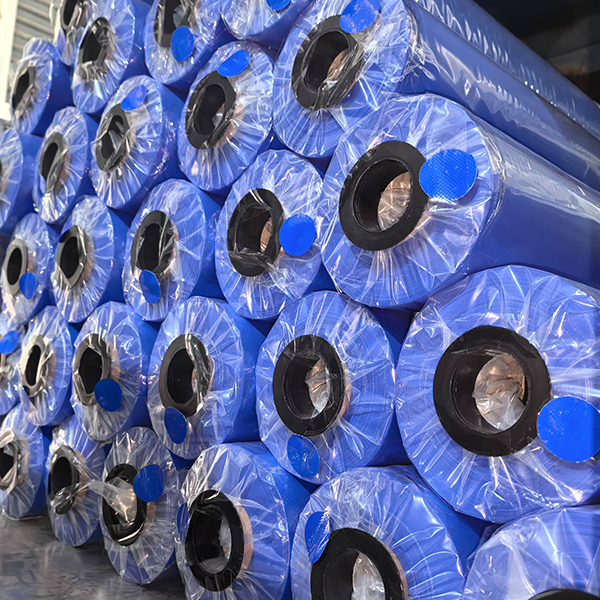
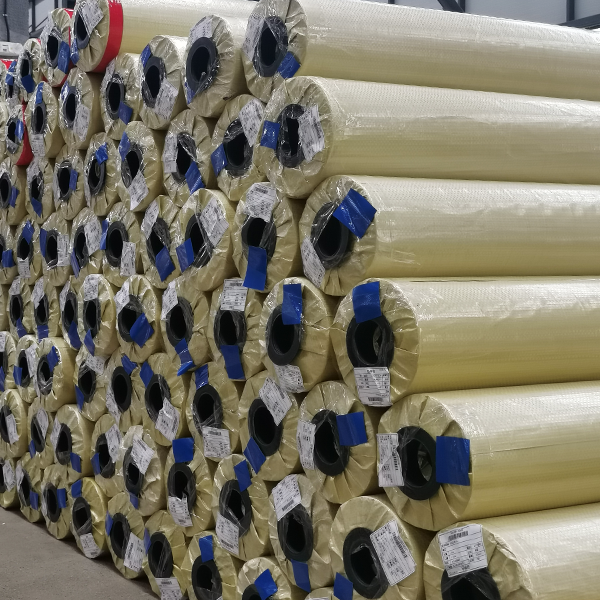
Production checks may include finished weight, roll width, roll length, coating uniformity, surface quality, color consistency, packing condition and agreed tear-strength or coating-adhesion testing. Normal production lead time is about 15 days after specification approval, depending on order quantity, material requirements and packing method.