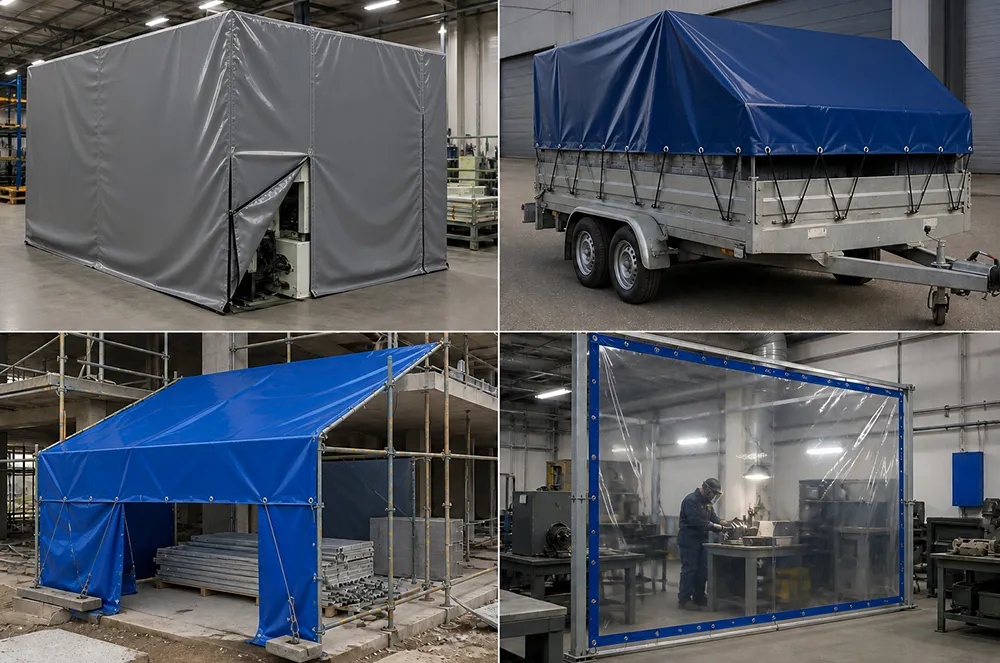
Multiple Tarpaulin Material Solutions
Bulk Custom Manufacturing · No Retail Sales
Quality Products, Competitive Prices
We Look Forward to Becoming Your Supplier
Made in China
The latest company & lndustry news from Lona coated tarpaulin fabric factory.
Custom Tarp Quote Checklist
A useful custom tarp quote checklist should save time for both the buyer and the manufacturer. It should not be a long form full of generic questions. For a B2B buyer, the goal is simple: send enough real project information so the supplier can choose the right material, edge structure, hardware layout, packing method, and sample process before calculating the price.
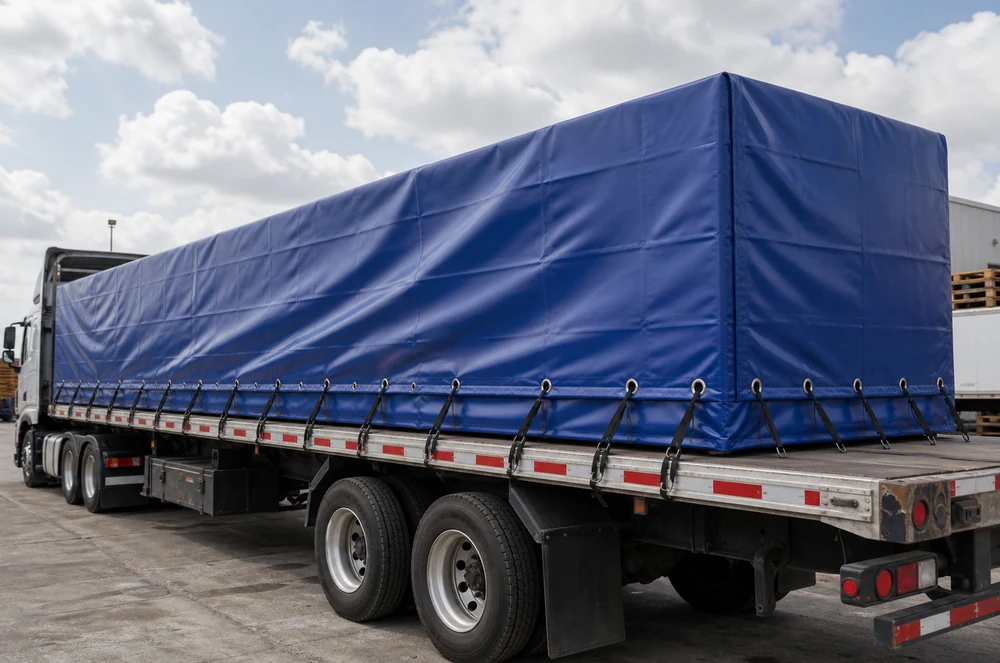
In our factory, I usually separate truck-cover decisions into five questions: what kind of truck cover is being made, what the material is actually made of, whether the cover needs airflow or full waterproofing, how the edge and seam will be built, and what should be checked in the sample before bulk production.
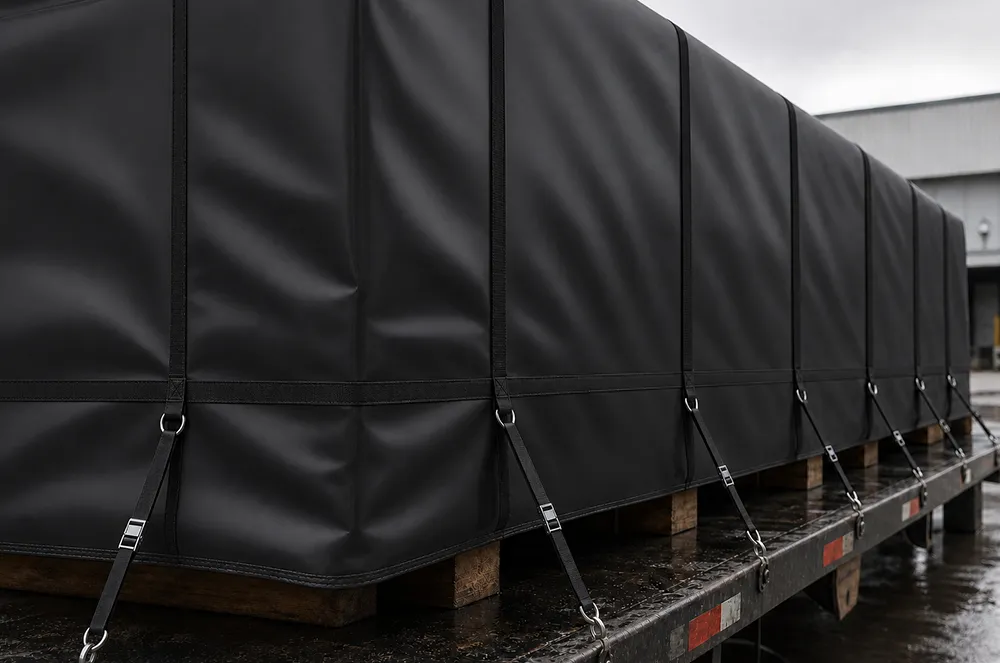
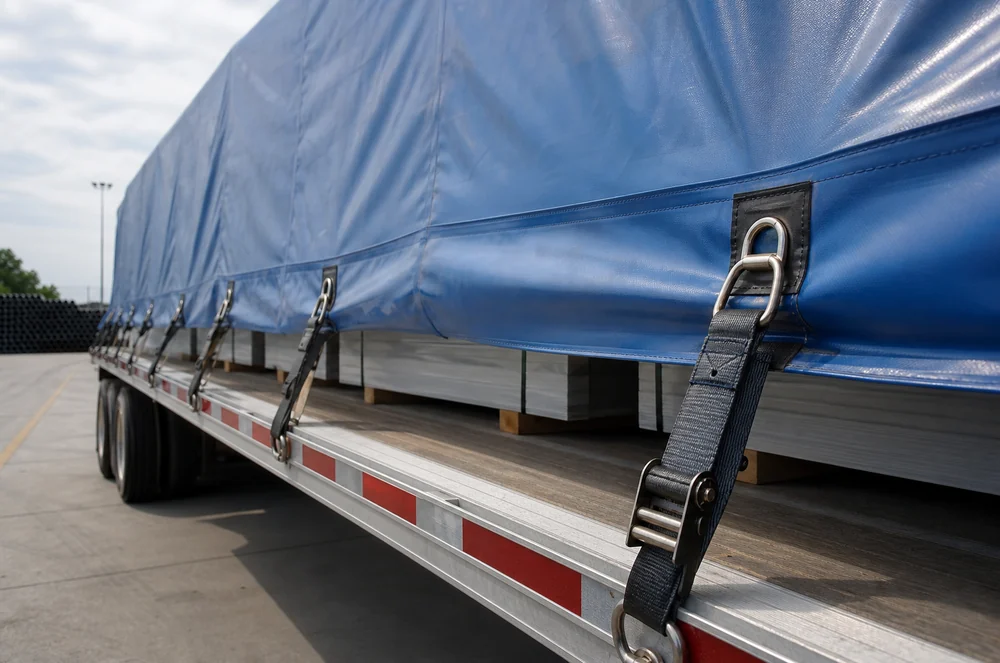
Choosing tarp hardware is not only about picking a grommet size or adding more tie-down points. In a bulk order, the hardware decides how force moves from the rope, strap or frame into the tarpaulin body. If that force is not spread through the edge, the cover may look strong on paper but still tear around the first stressed point.
If you want to know how to stop tarp flapping, start with the air path, not only the tarp weight. Most tarp flapping in wind begins when wind can enter under a loose edge, lift excess fabric, and shake the cover against grommets, seams, straps, or cargo corners. A heavier cover may reduce movement, but it will not solve the problem if the cover is too large, the edge drop is wrong, the tie-down line is uneven, or the hardware spacing does not match the load.
Choosing stronger flatbed tarps is not only a question of buying a heavier fabric. In our factory reviews, edge tearing usually starts where movement, wind, hardware, welding, and cargo contact meet. The center panel may still look strong, while the hem, grommet row, D-ring patch, or corner begins to fail first.
Industrial strength tarps are used today wherever a cover must protect valuable goods, equipment, work areas, or raw materials under stress. The common point is not only rain protection. These tarps often face wind, repeated folding, abrasion, tie-down tension, UV exposure, dirty work sites, and handling by crews who need the cover to work again tomorrow.
Protecting Baseball Equipment and Facilities Outdoors
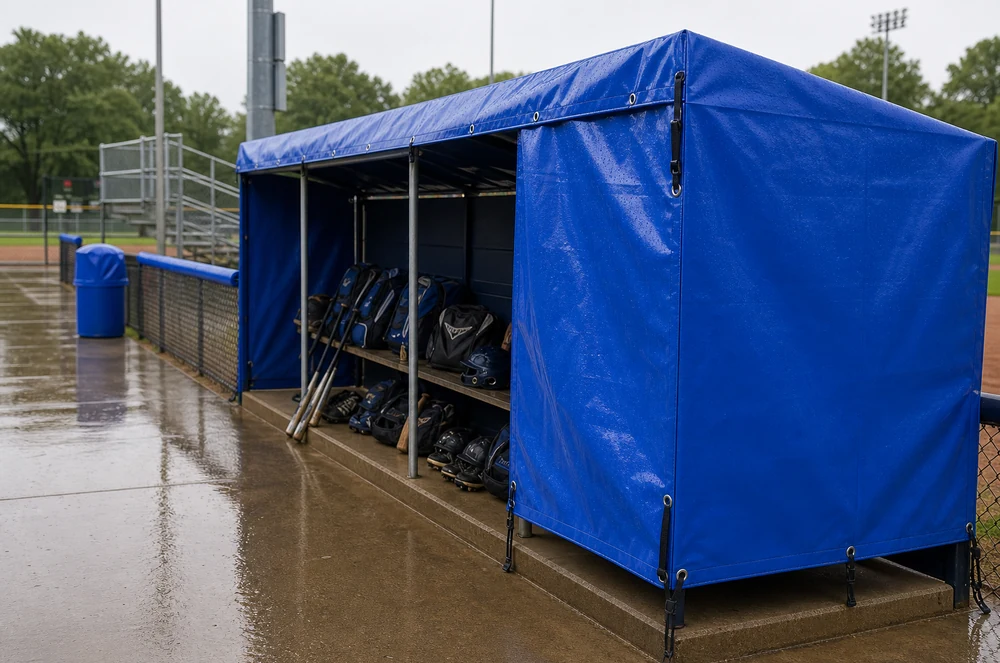
Protecting baseball equipment and facilities outdoors is not only about covering a field before rain. For many schools, clubs, training centers, and municipal venues, the harder problem is protecting dugouts, benches, player gear, storage cages, practice equipment, and steel or wood structures that stay outside through sun, rain, wind, dust, and seasonal temperature changes.
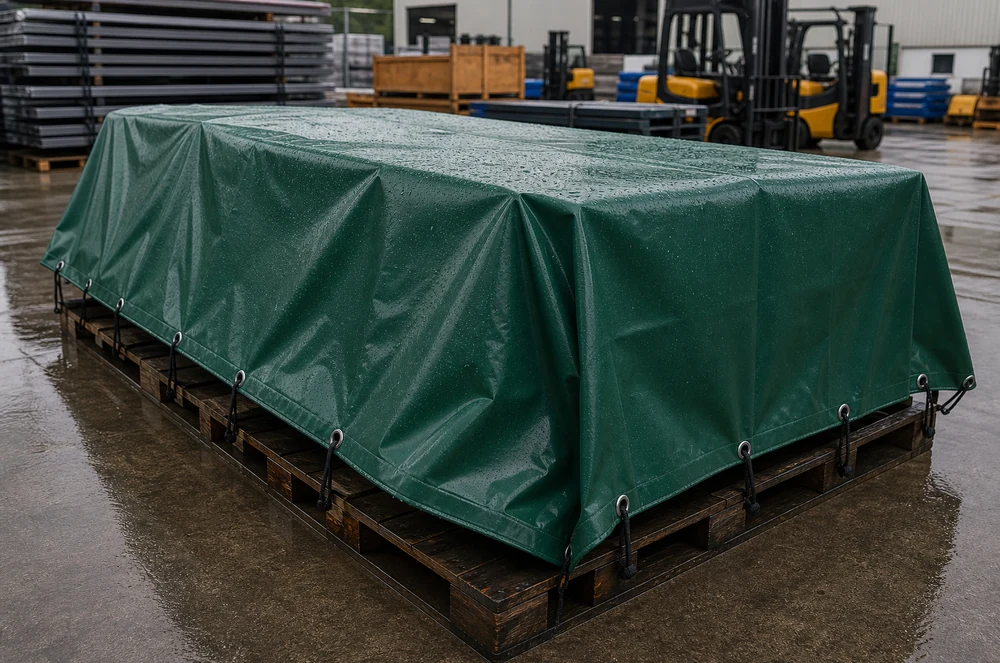
To choose a waterproof tarp, start with the job it must do: what it will cover, how long it will stay outdoors, how much wind or sun it will face, and how often workers will move it. A tarp used for one week over palletized materials does not need the same structure as a cover used for repeated equipment protection, construction storage, farm supply protection, or industrial yard work.
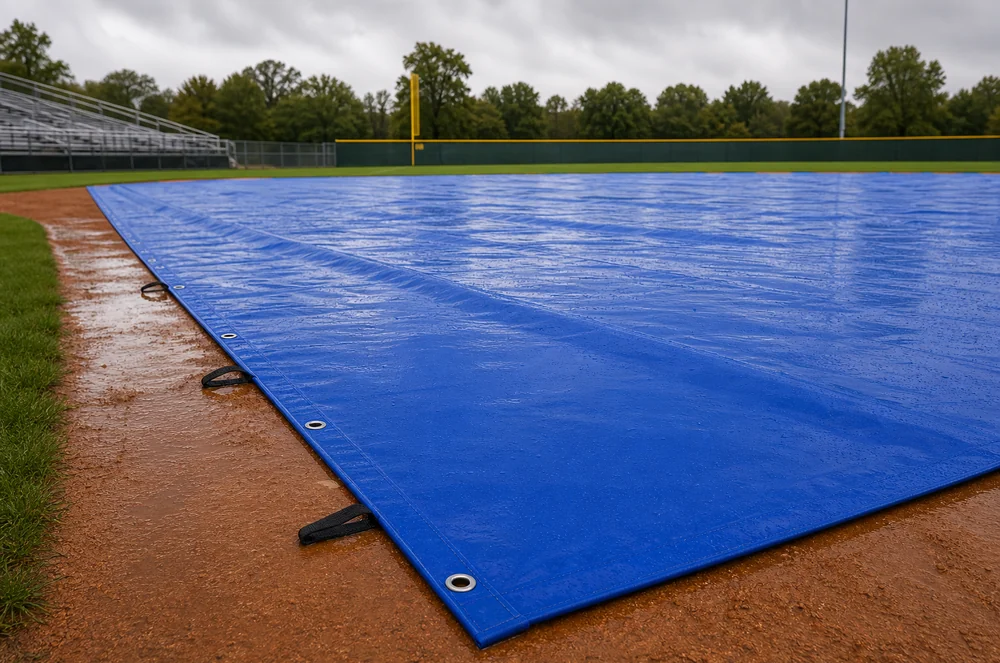
How Baseball Field Covers Protect Playing Surfaces
When I review a sports cover project, I first look at how the field is used: daily school training, weekend tournaments, professional games, or community events with a small maintenance team. A cover for a youth field should be easy to move. A cover for a larger venue may need stronger material, reinforced edges, pull handles, and a storage method that the grounds crew can repeat without damaging the tarp.
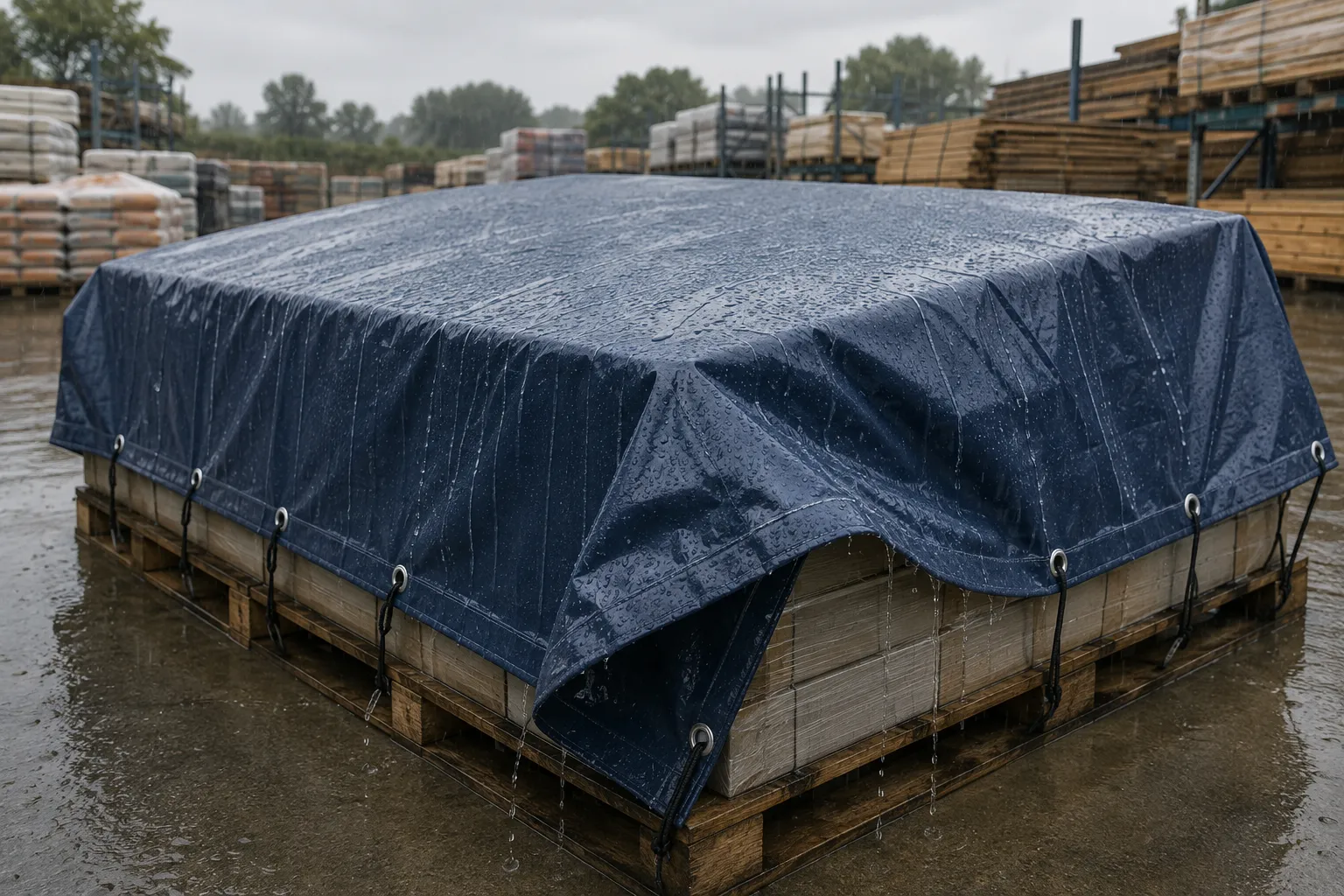
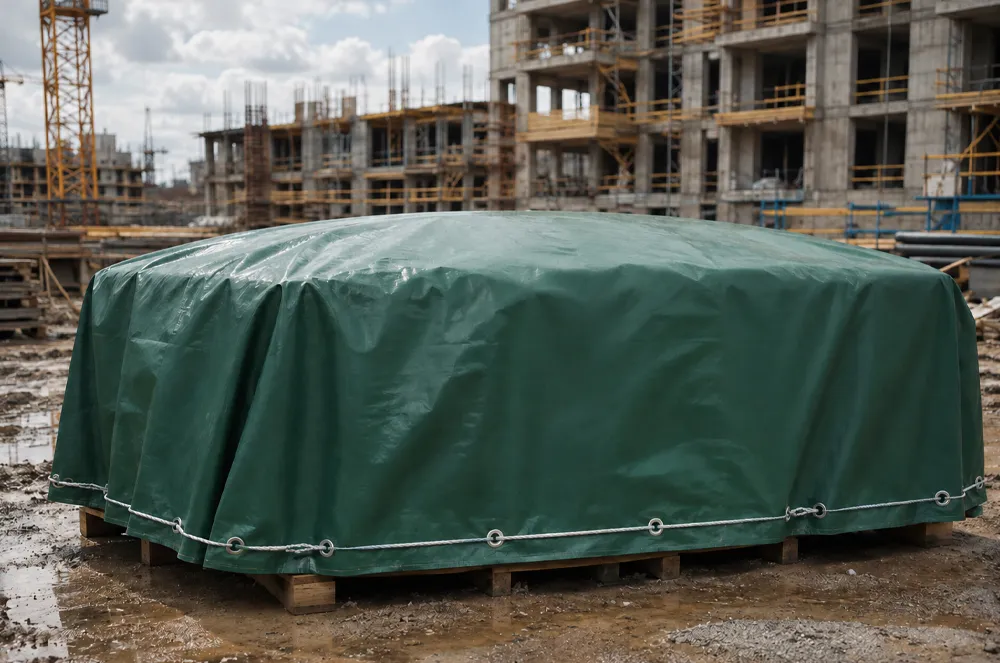
A construction tarp rarely fails for only one reason. Sunlight weakens the coating over time. Wind makes the fabric flutter. Rough timber or rebar abrades the surface. Workers drag the tarp across corners. Water collects in low areas. A grommet row is pulled too tightly. Each stress may be small, but together they decide whether the tarp remains useful or becomes difficult to secure after a short period.